A major change to Spain’s retirement rules will allow pensioners to return to part-time work with significant financial incentives. The new law, effective August 28, 2026, introduces bonuses of up to 25% for those who meet specific conditions.
Spain’s retirement landscape is set for a major shift as the Real Decreto 416/2026 comes into force on August 28, 2026, introducing new incentives for pensioners who wish to return to the workforce on a part-time basis. For the first time, these measures will also extend to self-employed workers, marking a significant expansion of the country’s flexible retirement options.
Under the new regulation, pensioners who take up part-time employment at least six months after starting to receive their pension will be eligible for an additional bonus—either 15% or 25%—on top of their adjusted pension, depending on the number of hours worked. This move replaces the previous framework established in 2002 and aims to encourage experienced professionals to re-enter the labor market without losing their pension rights.
How the Bonuses Work
For employees, the law sets clear thresholds: those working between 33% and 55% of a full-time schedule will receive their pension adjusted to their working hours, plus a 15% bonus calculated on their original pension amount. Those working between 55% and 80% of a full-time schedule will see that bonus rise to 25%. Importantly, the bonus is based on the pension amount before any reduction for part-time work, ensuring the incentive remains meaningful.
Self-employed pensioners can also benefit, provided they have not been registered as autónomos in the three years prior to retirement. In this case, the bonus is set at 25% of the original pension, but the percentage does not vary with working hours as it does for employees.
Key Conditions and Exclusions
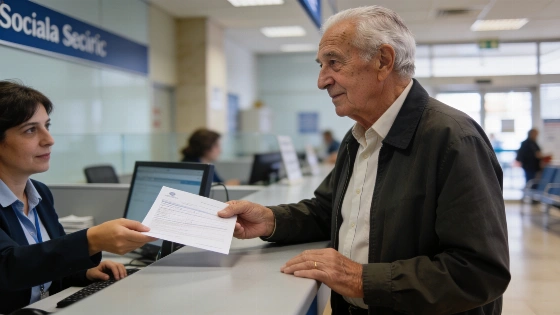
To qualify for these incentives, pensioners must notify the Social Security administration before starting any new job, whether as an employee or self-employed. Any changes in working hours or the end of employment must also be reported. Failing to do so could result in having to repay benefits and facing possible penalties.
The new rules apply to all general Social Security regimes, but exclude special regimes for civil servants, the armed forces, and judicial staff. The six-month waiting period after retirement is only required for employees seeking the additional bonus, not for those simply opting for flexible retirement.
Impact on Other Benefits
Pensioners who have chosen to delay retirement and receive an additional percentage as a reward will see that bonus suspended while working under the flexible retirement scheme. If they opted for a lump-sum payment or a mixed formula, they cannot combine it with flexible retirement. Contributions made during the new employment period will not increase the pension, but the full pension will be restored once the part-time work ends.
Transition and Future Review
The Real Decreto 416/2026 was published in the Boletín Oficial del Estado on May 28, 2026, and will take effect three months later. Those already using flexible retirement before this date will remain under the previous rules, and the new bonuses will not apply automatically. The government has committed to reviewing the impact of the reform within a year of its implementation.
For those considering this option, it is crucial to distinguish between flexible retirement and other schemes such as active retirement, which have different requirements and benefits. The new law is designed to offer more choice and financial reward for pensioners willing to return to work, while maintaining clear rules and safeguards.
As Spain faces demographic changes and a growing need for experienced workers, this reform could reshape the way retirement and employment interact. According to Talent24h, the changes are expected to provide both economic and social benefits, giving pensioners more flexibility and encouraging continued participation in the workforce.