Scandal Erupts in Burgos Over Mass Removal of Residents From Census List. In Padrones de Bureba, the number of registered residents dropped from 46 to 23 in a year. Locals accuse the mayor of removing opposition members from the list to control the election. The conflict has divided the village and sparked a wave of complaints.
A major conflict has erupted in the small settlement of Padrones de Bureba (Burgos) over a sharp reduction in the number of registered residents. In a short time, the official list has shrunk from 46 to 23 people, raising suspicions of deliberate manipulation by the local authorities. According to El País, some residents believe that Mayor Miguel Ángel García (PP) is removing from the register those who criticize him or do not support him in elections, in order to maintain control over the municipality.
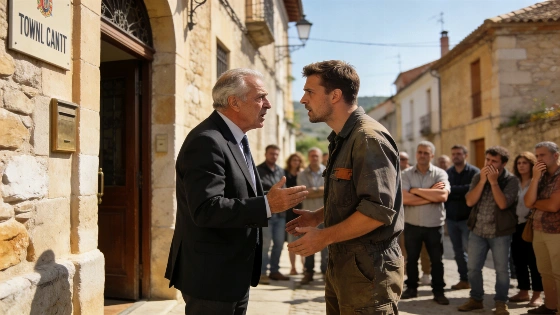
The situation has escalated to the point where two opposing factions have formed in the village. On one side is the head of the municipality and his supporters; on the other, the opposition councillor Dariusz Tomasiak (Vía Burgalesa) and a group of dissatisfied residents. The mayor claims he is strictly following the law, removing from the register those who do not actually live in Padrones de Bureba. His opponents are convinced that, under the pretext of verifying actual residence, García is eliminating dissenters to influence the outcome of the 2027 elections.
Many houses in the village stand empty or are used only in the summer. Some residents work in Burgos and return just at weekends, while elderly people leave for the city in winter. By law, to remain on the register, residents must confirm they actually live there—providing electricity bills, a rental contract, or property documents. However, as El País sources point out, in a number of cases, these requirements were applied selectively, and low electricity consumption in homes does not always mean that no one lives there.
In response to the accusations, García emphasizes that the law is the same for everyone, and if someone lives and works in Burgos but is registered in Padrones de Bureba, this must be investigated. He also claims that opposition councillor Tomasiak filed complaints against people close to the mayor in order to remove them from the registry. As a result, the village has become divided, and the atmosphere tense: some residents are afraid to speak out openly, fearing repercussions.
Tomasiak, who has lived in the village for 13 years, accuses García of registering his entire family in order to control the elections, as well as granting building permits only to his supporters. According to him, it has become nearly impossible for anyone outside the mayor's circle of trust to obtain the necessary documents for renovation or business activities. He also claims that the municipal budget is being spent non-transparently, and the opposition is facing pressure.
Some residents, who wished to remain anonymous, say that their elderly relatives were removed from the registry despite having lived in the village their entire lives. According to them, attempts to restore their registration or get clarification from the mayor lead nowhere. The most common reasons given for denial are insufficient electricity consumption or a lack of the required documents.
The village remains divided: some accuse Tomasiak of separating residents into 'insiders' and 'outsiders,' while others believe it was García's actions that led to the split. In similar situations, when local authorities make controversial decisions, residents in other regions also encounter distrust and conflicts, as was the case with the loss of government support in Jaén after the failure of a major project.
For reference: under Spanish law, every citizen is required to be registered at their actual place of residence. The number of registered residents affects the amount of subsidies, infrastructure funding, and eligibility to participate in elections. In small towns, such conflicts can significantly impact the whole community's life and the distribution of resources.