Pedro Sánchez has confirmed there will be no superdomingo in May. The next general election is likely in March 2027, with the political horizon now set through 2031. Local PSOE leaders had pushed for this separation.
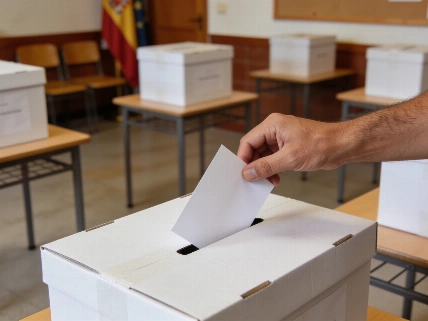
Spain’s political calendar has taken a decisive turn after Pedro Sánchez, secretary general of the PSOE and current prime minister, announced there will be no superdomingo electoral event in May. This move, confirmed during the party’s federal committee, means the general election will not coincide with municipal and regional votes, a scenario many local and regional PSOE leaders had strongly opposed. Their main concern: holding all elections on the same day could damage the party’s prospects at the local level, especially after recent electoral setbacks.
The most likely date for the next general election is now March 2027, representing a technical advance of four months from the end of the legislative term. This mirrors the timeline chosen by José Luis Rodríguez Zapatero in 2011, when he called early elections to allow a new government to take office at the start of the fiscal year. The decision comes after months of internal debate, with Moncloa initially dismissing fears of electoral fatigue but ultimately yielding to pressure from party ranks.
Two main factors influenced the timing. First, judicial proceedings involving Begoña Gómez, the prime minister’s wife, are advancing. Authorities are keen to avoid a scenario where the general election overlaps with a potential trial, which could expose the party to damaging media coverage. The case, currently awaiting a decision from the Audiencia Provincial de Madrid, involves allegations of influence peddling, business corruption, embezzlement, and misappropriation. Precautionary measures, including the surrender of Gómez’s passport and travel restrictions, have already been imposed.
Second, the political argument from PSOE’s local and regional leaders has gained traction. They argue that separating the elections gives their candidates a better chance to defend their positions without being overshadowed by national controversies. This approach is seen as a way to preserve what remains of the party’s territorial power, especially after recent losses in regions like Extremadura, Aragón, Castilla y León, and Andalucía.
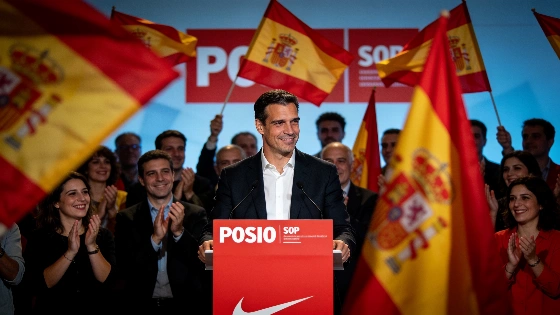
While Sánchez did not explicitly address his future as party leader—his mandate runs until December 2028—he left little doubt about his intentions. He projected a political horizon through 2031, suggesting he plans to seek another term if circumstances allow. This signals continuity at the top of the PSOE, even if the party faces a challenging electoral landscape. For Sánchez, remaining as secretary general and MP could also provide legal protections amid ongoing judicial scrutiny.
The decision to avoid a superdomingo aligns with broader trends in Spanish politics, where parties increasingly seek to separate national and local contests to minimize collateral damage. This strategy has already influenced internal party dynamics, as seen when the PSOE’s federal committee triggered early candidacies for 2027, sparking tensions in Madrid and other regions. For example, the recent wave of early primary announcements in key regions has highlighted the stakes for local leaders and the importance of timing in electoral strategy.
Contextually, Spain’s general elections are typically held every four years, but early calls are not uncommon when political or judicial pressures mount. The PSOE’s decision to separate the ballots reflects both immediate concerns and a longer-term effort to rebuild its local base. As the country looks ahead to 2027 and beyond, the interplay between national leadership, judicial developments, and regional interests will continue to shape the political landscape.