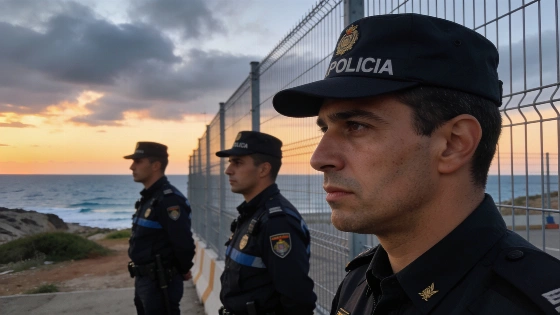
Pedro Sánchez finally admitted Morocco’s border failure during the Ceuta crisis, but his coalition partners are not buying it. The way, place, and language of his statement have only deepened the rift and left allies demanding real answers.
Pedro Sánchez tried to change the story on the Ceuta border crisis. It backfired with his own allies. For the first time, the Spanish prime minister said in public that Morocco’s border controls failed during the mass crossing into Ceuta. But he made this admission in English, to CNN, from New York. That move has only fueled criticism from inside his coalition and among parliamentary supporters.
Instead of rallying behind him, Sánchez’s partners have questioned both what he said and how he said it. Sumar, his main coalition ally, called the move "strange" and pointed out that the prime minister spoke out not in Spain, not in Spanish, and not to a Spanish audience. Sumar sources said, "We understand he has new data that led him to a different conclusion than what he told Congress," but they are not convinced. They want to know why he changed his story and why he has not explained it.
During the events of July 30–31 in Ceuta, the influx of migrants was so large that Spanish border services were overwhelmed within hours, according to several independent reports.
Other parliamentary allies are even more direct. Some say Sánchez’s reversal is not about new facts but about political pressure. "It was impossible to keep defending a narrative that made no sense to citizens or to any of his partners—let alone outside Spain," one source said. The frustration is not just among coalition partners. Even inside the PSOE, there is open discomfort over how the government handled Ceuta and its earlier efforts to avoid blaming Morocco.
The split burst into the open when former Socialist parliamentary secretary Eduardo Madina told SER he could not understand any of the government’s decisions during the Ceuta crisis. Transport Minister Óscar Puente fired back on X, accusing Madina of "parading your resentment every morning." That only made the rift worse. Ex-deputy Delia Blanco replied, "Today I am ashamed of @oscar_puente."
For many in the coalition, Sánchez’s admission comes too late and does not go far enough. "Everyone understands the situation with Morocco is complicated, but what he said to CNN could have been said two months ago. Instead, he scolded those of us who pointed out there was at least an omission. He still has much to explain," said a source from one of the investiture groups.
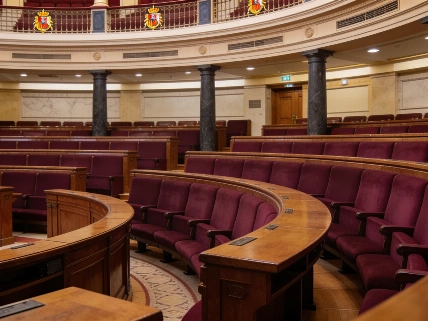
In his earlier parliamentary address on September 3, Sánchez emphasized the need for explanations and changes from Moroccan authorities, but also stressed there was no firm evidence of deliberate orchestration by Morocco. This distinction has been highlighted by outlets such as RTÉ and The Objective, which note that Sánchez had long avoided directly blaming Rabat to prevent straining bilateral relations.
Despite the growing criticism, PSOE and government spokespeople say Sánchez has not changed his position. Foreign Minister José Manuel Albares told SER the prime minister said "exactly" what he had said in parliament. PSOE’s Patxi López claimed there was "no novelty." But López also admitted, "If 70,000 or 80,000 people cross, something fails at the border"—a point neither Sánchez nor his ministers had said before.
Even Defense Minister Margarita Robles, who sometimes distances herself from the official line, backed Sánchez after his CNN remarks. Still, she added, "Morocco will also have to assume responsibilities."
Sumar’s Alberto Ibáñez publicly demanded explanations. Culture Minister Ernest Urtasun called for talks with Morocco to demand answers. Podemos leader Ione Belarra said, "The international Pedro Sánchez is always a bit different from the Pedro Sánchez in Spain. I don’t know if he thinks we don’t see international media." ERC’s Gabriel Rufián went further, saying Sánchez was finally "telling the truth," but using euphemisms. He insisted Rabat did not just fail, but "attacked."
The government’s handling of the Ceuta crisis has already shown deep divisions, as reported earlier. This latest episode only adds to the sense that Sánchez’s leadership on this issue is under heavy scrutiny from inside and outside his party.
What is clear is that the prime minister is struggling to balance international diplomacy with demands for accountability at home. By choosing to admit Morocco’s failure on foreign soil and in a foreign language, Sánchez has upset key partners and left the main questions unresolved. His allies are running out of patience. They want real transparency and a clear plan—something the government still has not delivered on the Ceuta crisis.