
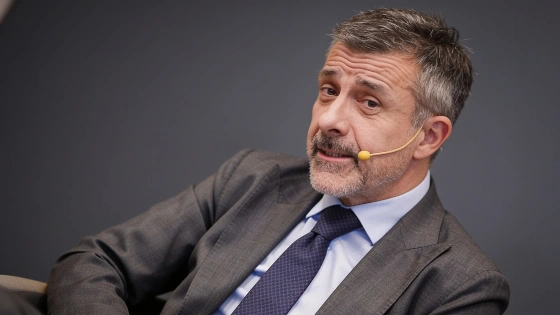
Philips is rolling out AI-powered diagnostic tools across Spain, pushing hospitals to rethink how they deliver care. Miguel de Foronda says only real, scalable innovation can keep up with growing patient needs.
Miguel de Foronda, who leads Philips Ibérica as well as operations in Italy, Israel, and Greece, took the floor at the VII Simposio del Observatorio de la Sanidad with a clear warning. He told the audience that Spanish hospitals face a make-or-break moment: either ramp up real tech adoption or risk falling behind as patient numbers climb and resources shrink. Foronda didn’t sugarcoat it. He said innovation is now a matter of survival, not a luxury.
Philips has already started to shake up the field. The company rolled out Spain’s first Verida spectral CT scanner, which uses spectral detection and artificial intelligence to sharpen images and speed up diagnosis. Foronda called the results “tremendous.” Patients now get more accurate answers and avoid repeat tests. Philips has also put Areta into use for radiotherapy planning and launched Verida RT, which ties together imaging and therapy in one system.
Clínica Universidad de Navarra and Siemens Healthineers have launched a project integrating CT, ECG, lab results, medical reports, and retinal images from 15,429 patients, with all data pseudonymized and processed locally without cloud services.
Foronda said the real game-changer is in intervention. He pointed to SmartIQ, a dose-reduction tool built in Madrid, and LumiGuide Force, which uses smart catheters and AI navigation to map anatomy and guide device placement. “With AI we can visualize the anatomy and navigate to place the devices that need to be placed in the patient,” he said. This marks a shift from old-school imaging to real-time, data-driven procedures.
Looking back fifteen years, Foronda remembered when healthcare innovation focused only on professionals. Now, the bar is higher. Solutions have to scale, last, and actually improve diagnosis. Foronda’s take on sustainability is down to earth: tech must be easy to roll out, open to more people, and deliver better care with fewer staff. The aim is to cut out needless repeat work, raise productivity, and make sure every new tool really helps patients.
Madrid has announced the scaling of AI in public healthcare through the CRON-IA project, aiming to detect early complications in about 2 million chronic patients, while parallel programs like Personaliz@ and PREVEN-IA focus on remote monitoring and creating digital twins using clinical, genomic, and imaging data.
Foronda put data at the center of this push. “The data is key. The business units related to it are the ones gaining the most momentum, it is transversal. Data will mean a revolution and we are acting in medical imaging, in Cardiology and in critical care,” he said. The real challenge is not just gathering information, but making sure it’s high quality and fits into clinical routines that lift both care and efficiency.
Philips isn’t just snapping up other companies to get ahead. Foronda was upfront: “It seems that everything consists of buying companies, but it is not always the smartest. The smartest thing is to take advantage of knowledge, knowledge is now very dispersed.” He pointed out that AI development is scattered, and teaming up often works better than buying out rivals.
He didn’t hold back when addressing Spain’s new government. Foronda urged leaders to put technology front and center. “To the new Government I ask that it gives technology the importance it has. Technology has greatly impacted life expectancy in Cardiology,” he said. The message was direct: if Spain wants to keep improving health outcomes, it can’t afford to stand still.
Pressure to modernize is mounting across Spain’s health sector. Recent reporting on political promises to overhaul the system shows that policy, investment, and tech adoption will decide if Spain can keep up with an aging population and more chronic illness.
Foronda made it clear that Philips isn’t chasing headlines or flashy gadgets. The company wants to weave innovation into everyday care, making sure every advance—from AI imaging to smarter intervention—pays off for patients and staff. The takeaway for hospitals and policymakers is simple: treat technology as an afterthought, and you’ll get left behind. Invest in scalable, data-driven solutions, and you’ll help shape the next chapter of Spanish healthcare.