A major Spanish study finds that eating more processed meat daily raises the risk of digestive cancers. Even small increases in consumption can have a measurable impact. The findings highlight the need for dietary caution.
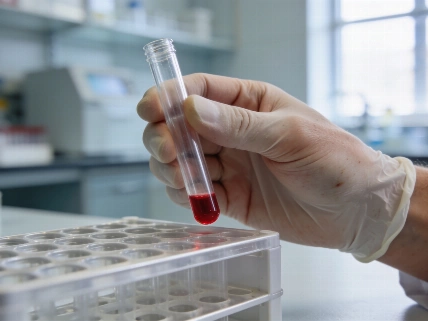
Spanish researchers have identified a clear connection between higher daily consumption of processed meats and an increased risk of developing digestive tract cancers. The large-scale study, led by the Nutrition and Cancer Research Group at the Bellvitge Biomedical Research Institute and the Catalan Institute of Oncology (IDIBELL-ICO), tracked over 450,000 adults across Europe for more than 14 years. Their findings point to a significant rise in cancer risk with even modest increases in processed meat intake—a detail that could reshape dietary recommendations in Spain and beyond.
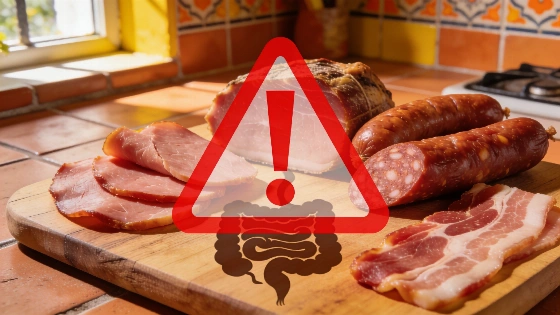
According to the data, each additional 30 grams of processed meat consumed per day—roughly equivalent to two or three slices of ham or a couple of sausages—correlates with a 9% higher risk of gastric adenocarcinoma and a 13% higher risk of esophageal adenocarcinoma. These results add weight to previous warnings about processed meats, which are often high in artificial additives, salt, sugar, and fat—ingredients rarely found in home-cooked meals. The study’s authors emphasize that it is not just the meat itself, but the way it is processed and preserved, that appears to drive these health risks.
The research did not find a clear link between red meat and digestive cancers, while white meat showed an unexpected association with non-cardia gastric cancer in women. Processed meats, however, stood out as the main concern. The study highlights several biological mechanisms that may explain the increased cancer risk: the formation of N-nitroso compounds (NOCs), the presence of heme iron acting as a nitrosating agent, and the irritation of the gastric lining by high salt content. Cooking at high temperatures also produces chemicals such as polycyclic aromatic hydrocarbons and heterocyclic amines, both of which are recognized carcinogens.
Risk levels varied depending on the type and location of the tumor. For each 30-gram daily increase in processed meat, the risk of intestinal gastric cancer rose by 11%. There was also a positive association with diffuse gastric cancer and both cardia and non-cardia adenocarcinomas, though statistical uncertainty was higher for these subtypes. Notably, the patterns differed between men and women: in men, only processed meat was linked to gastric cancer risk, affecting all major subtypes, while in women, processed meat was associated with general gastric cancer risk, especially the intestinal subtype.
Processed meats in Spain—such as cured sausages, ham, bacon, and similar products—are staples at barbecues and summer gatherings. Yet, as this study shows, their popularity comes with hidden health costs. The findings reinforce the importance of moderating processed meat consumption to help prevent upper digestive tract tumors. The study also notes that the way food is processed, the presence of heme iron, and high-temperature cooking methods are likely key factors in these cancer risks.
While the focus here is on cancer, the broader health implications of processed foods have been a recurring topic in Spain. For example, concerns about extreme weather and its impact on public health were highlighted during recent emergencies, such as the mass evacuations in Madrid due to wildfires, as reported in coverage of the Madrid wildfire crisis. Both cases underline the growing need for public awareness and preventive measures in the face of evolving health risks.
For context, processed meat refers to products that have been modified to improve flavor or preservation, including curing, smoking, salting, or adding preservatives. Red meat includes beef, pork, and lamb, while white meat mainly covers poultry. The World Health Organization has previously classified processed meats as carcinogenic to humans, based on evidence linking them to colorectal cancer. This new Spanish-led research expands the evidence base to include other digestive cancers, providing valuable data for future public health guidelines. As dietary habits continue to evolve in Spain, these findings may influence both individual choices and broader nutritional policies.