Letting your fuel tank hit reserve might seem harmless, but Spanish mechanics say it can quietly destroy your engine’s most sensitive parts. Here’s why topping up before the warning light comes on could save you hundreds in repairs.
Most drivers wait for the fuel warning light before stopping to fill up. That habit can backfire. In Spain, mechanics are warning that running on reserve does more than risk a breakdown. It can wreck your car’s injection system and leave you with a big repair bill.
The problem starts at the bottom of your tank. Over time, dirt and debris settle there. A mechanic from Taller Carma Barakaldo in Bizkaia put it simply on TikTok: “Los combustibles, por muy limpios que estén, siempre tienen porquerías, ¿vale?” These particles build up. They stay out of the way—until your fuel runs low.
Spanish auto clubs and technical publications emphasize that running on reserve increases the risk of the fuel pump drawing in sediment and contaminants, which can damage the most expensive parts of the fuel system—especially the injectors.
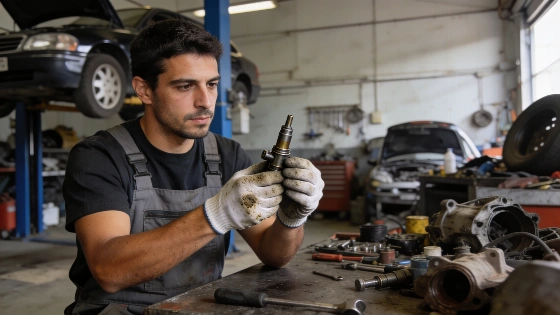
Drop into reserve and the fuel pump starts pulling from the bottom. That’s where the dirt is. Those impurities go straight into the fuel system. Injectors are delicate. Even a tiny bit of grit can break them. The mechanic warns: “Eso llega a tus inyectores y el inyector, cualquier mínima impureza que le entre, te lo avería.” He doesn’t give a price. But injector repairs are never cheap.
The Real Automóvil Club de España (RACE) backs this up. Their technical advisor, Raúl Gallardo, tells drivers not to make a habit of running on reserve. RACE says most compact cars have 40 to 50 kilometers left after the warning light. Bigger cars might get 100 kilometers. But those are just rough numbers. Hills and driving style can cut that range fast.
Independent reference materials clarify that the low fuel warning is only an alert, not a precise indicator of remaining range. The actual distance you can travel after the light comes on varies significantly depending on your car model, driving habits, terrain, and even the condition of the fuel level sensor.
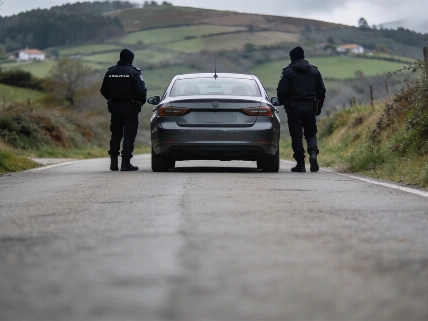
There’s another risk. If you run out of fuel on the road, Spanish law allows fines up to 200 euros. Pay quickly and it drops to 100 euros. Carrying extra fuel in a non-approved container? That can cost you up to 3,000 euros. One mistake can get expensive fast. Add a breakdown, and the bill climbs higher.
Both the Carma Barakaldo mechanic and RACE agree. The smart move is simple. Fill up before the reserve light comes on. This habit protects your engine and keeps you out of trouble with the law. It’s the same kind of practical advice Spanish drivers get in other areas, like the recent warning about greasing tow balls and trailer safety.
For drivers in Spain, the lesson is blunt. Stretching your tank to save a few euros is a bad bet. The real cost shows up later—when broken injectors or a roadside stop turn a small risk into a big expense. In Spain, where car maintenance and road safety rules are strict, ignoring these warnings rarely ends well.