Families in Redondela honoured prisoners held on San Simón and San Antón. The ceremony also recognised women who risked punishment to help them survive.
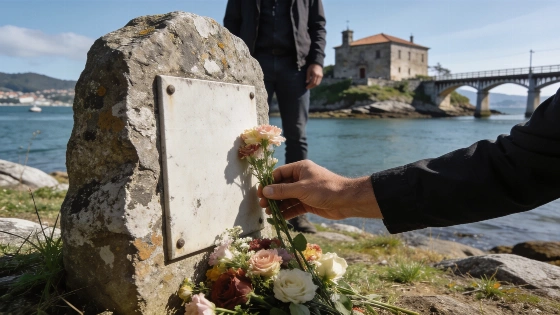
Families of prisoners held at the Francoist penal on San Simón and San Antón have received official recognition more than eight decades after the prison closed. Relatives and residents of Redondela gathered on Thursday to honour those imprisoned there. They also remembered the women who helped them at personal risk. The ceremony included the unveiling of a plaque recognising the islands as a Lugar de Memoria Democrática.
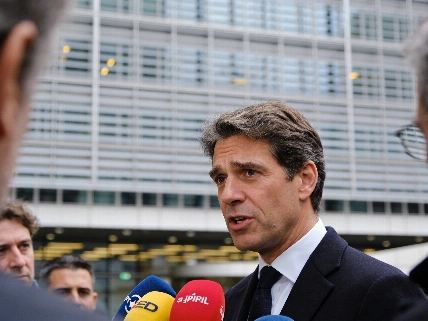
Fernando Martínez, the Secretary of State for Democratic Memory, led the event. The Ministry of Territorial Policy and Democratic Memory organised it with Redondela City Council. RTVE journalist Xabier Fortes presented the ceremony. Representatives of the memorial movement attended, along with writer and journalist Manuel Rivas and poet Olga Novo.
EFE’s agenda for 24 September 2026 listed the Redondela ceremony among Spain’s national news events, confirming that it involved central government as well as the local authorities.
The families themselves also criticised the delay. Ana Belén Moreda said the recognition had come half a century late. She recalled her great-grandfather Alfonso Moreda Vázquez. The Moreda family suffered extensive repression in Vigo because of its left-wing and republican militancy. After being held at San Simón, Alfonso was transferred to Burgos and executed.
For other relatives, the delay was painful, but it did not erase the value of the ceremony. Román Santalla Agra remembered his grandfather Jaime Agra Blanco and two brothers who passed through the prison. He said they were democratic people who were condemned and abused without justification.
The islands have a clear record of repression. San Simón and San Antón lie in the Vigo estuary and belong to Redondela. They were used as a prison during the Civil War and the first years of Francoism. The facility was meant to be temporary, but it operated from October 1936 until 15 March 1943.
The Ministry’s involvement places the ceremony within Spain’s state policy of democratic memory, which treats former sites of repression as places requiring public recognition and historical preservation. The event was therefore more than a municipal commemoration: it connected the islands’ local history with a national memory framework.
More than 5,600 prisoners passed through the penal. Over 500 died amid food shortages, overcrowding and appalling conditions. San Simón held the prisoner barracks. San Antón contained the guards' military quarters and the cemetery. A small bridge connects the two islands.
The women who supported the prisoners are remembered as madriñas or lavandeiras. Rosario Bautista said her father, Alfredo Bautista Alconero, spent four years in prison. He met his future wife at San Simón, where she was one of the women who helped the detainees.
The ceremony also brought Declarations of Recognition and Reparation to the families. Readers may recall the earlier report on secrecy and shifting loyalties in La Promesa. This case is different. It concerns the public record of state repression and the people who endured it.
Martínez used the ceremony to call for vigilance against lies, hoaxes and distortions of history. He connected that vigilance with the defence of democracy and freedoms. He also said the government would work with Redondela to protect the purpose of the site. EFE reported his remarks.
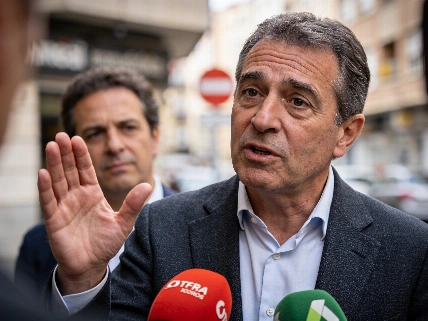
Mayor Digna Rivas said the Lugar de Memoria Democrática designation should regulate the acts and activities held on the islands. That gives the official status a practical effect. Events at the site are now expected to respect its historical meaning.
San Simón is more than the setting for an annual remembrance. Its numbers show the scale of the imprisonment. Its geography separates the barracks from the cemetery. The families' testimony shows how long recognition took. The plaque cannot repair the years that were lost. The ceremony does establish a public duty that should have been met much earlier: preserve the facts, honour those who suffered and stop the site from losing its democratic meaning.