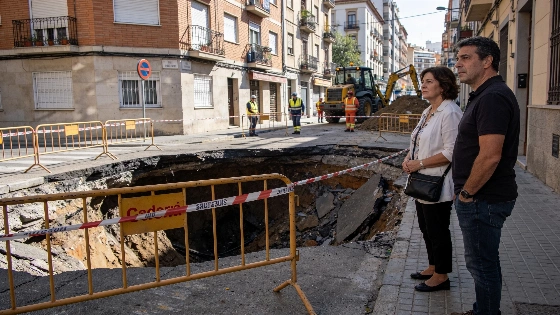
Residents and business owners in Sant Gervasi are preparing a collective lawsuit against the Generalitat. The dispute centers on damages from a metro construction sinkhole. Delays in returning home and ongoing disruption have escalated tensions.
More than 70 residents and business owners in Barcelona’s Sant Gervasi district are preparing to sue the Generalitat after a massive sinkhole, caused by L9 metro construction, forced them from their homes and businesses. Two months after the collapse, many are still unable to return, and frustration is growing.
The lawsuit, expected to be filed this week, accuses the Department of Territory of failing to properly oversee the tunneling project. The legal team, led by Carmen Pérez Pozo-Toledano—who represented victims of the El Carmel sinkhole in 2005—argues that authorities neglected their duty to monitor the works, causing both material and emotional harm. The El Carmel incident led to the evacuation of over 1,000 people and the temporary closure of 84 buildings, showing how disruptive these failures can be.
The L9 metro project is one of the most expensive infrastructure undertakings in Spain, with total costs exceeding €6.9 billion as of 2023.
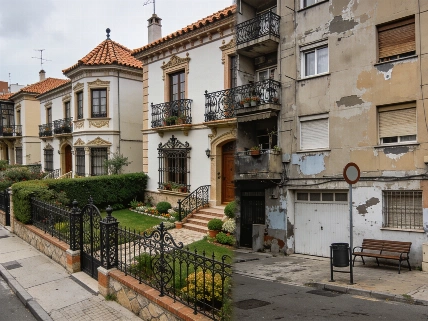
Some buildings in Sant Gervasi have been declared safe, but three remain off-limits due to structural concerns. Miren Atela, president of the most damaged building on Teodora Lamadrid street, says that even when officials announce a return date, the reality is more complicated. Many evacuees are still living in hotels, dealing with constant construction noise, dust, and ongoing worries about safety. The Department of Territory says safety assessments are still underway and that residents will only be allowed back once all risks are addressed.
The number of plaintiffs is still rising. The legal team estimates that 90% of those affected have joined the claim, and more are signing on. Compensation demands will cover physical damage, lost business, and the psychological impact of displacement. The final amount will depend on each family’s situation and how long they have been away. In the El Carmel case, compensation for moral damages reached up to €15,000 per household, which shapes current expectations.
In recent statements, the Generalitat acknowledged that the L9 project has faced repeated delays and technical challenges since its inception in 2003, with multiple interruptions due to funding issues and unforeseen engineering difficulties.
La Vanguardia
Responsibility for any payouts will likely fall to the insurers of the construction company, but the Generalitat is the main target of the lawsuit. The case highlights the risks of large urban infrastructure projects in densely populated neighborhoods, where oversight failures can have immediate and lasting effects on local communities.
As the legal process moves forward, the situation in Sant Gervasi reflects a broader pattern of administrative conflict seen elsewhere in Spain. For example, a recent report described how unresolved disputes and delayed decisions can leave residents in limbo, making the impact of official mistakes worse.
The El Carmel disaster remains a warning, but the current standoff in Sant Gervasi suggests that lessons from the past have not been fully learned. Slow repairs, unclear communication, and reluctance to accept responsibility have left families and businesses with little choice but to go to court. For many, this legal fight is about more than compensation—it is a demand for accountability from public authorities whose failures have real consequences.