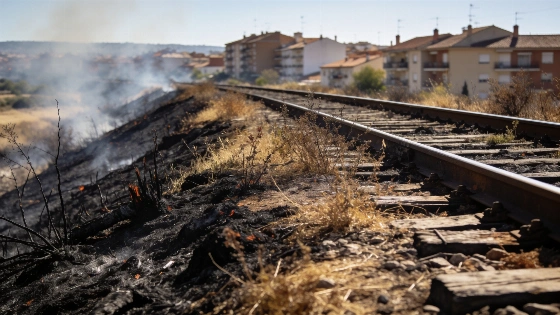
A major wildfire in Serra d'Espadà destroyed over 3,000 hectares. Residents and emergency teams acted fast, but early response failures and political decisions worsened the disaster. Calls for better prevention and technical leadership grow.
The wildfire that swept through Serra d'Espadà, with Artana at its epicenter, has reignited debate over Spain's preparedness for environmental disasters. More than 3,160 hectares burned, devastating nearly all local forests and forcing rapid evacuations. While emergency services and local volunteers responded with remarkable coordination, the scale of destruction has raised questions about the effectiveness of initial containment efforts and the decision-making process at the highest levels.
Authorities and residents alike have praised the tireless work of firefighters, the Unidad Militar de Emergencias (UME), and support teams from across the region. Local councils, volunteers, and neighbors opened their homes and resources to those displaced, creating a network of solidarity that became essential as the crisis unfolded. Yet, behind this collective effort, many point to a critical failure: the opportunity to control the fire in its earliest moments was missed. The initial response on the day the fire broke out in Vall d'Uixó lacked the speed and force needed to prevent escalation, allowing the blaze to spread uncontrollably into protected natural areas.
As the situation deteriorated, political messaging began to overshadow technical strategy. Officials emphasized the priority of protecting people, but by the time these statements were made, evacuations had already been completed. This disconnect highlighted deeper issues in crisis management, where political considerations sometimes overrule the expertise of firefighting professionals. Decisions such as whether to conduct controlled burns or prioritize certain properties often became entangled in concerns over public image and electoral consequences, rather than being guided solely by technical necessity.
The aftermath has also exposed persistent misconceptions about rural environments. Some urban commentators blamed the disaster on 'dirty forests,' overlooking the ecological reality that organic material like dry branches and undergrowth is part of a healthy ecosystem. The real problem, experts argue, is the critical buildup of biomass due to the decline of traditional rural activities—such as grazing and wood collection—that once helped maintain natural firebreaks. This abandonment has left forests more vulnerable to extreme weather, a risk amplified by climate change and increasingly severe heatwaves.
Calls for reform are growing. Many demand year-round investment in prevention, strict adherence to technical advice, and a shift away from political appointments in emergency management. The need for sustainable rural economies and active land stewardship is seen as essential to reducing future wildfire risks. As noted in a related analysis of government response during simultaneous crises, such as the Ceuta border incident amid wildfires, failures in early action and coordination can have far-reaching consequences.
Despite the devastation, there are signs of hope. Local communities have shown increased environmental awareness and a willingness to support recovery efforts. Regeneration is already visible, with native species beginning to recover and wildlife returning. The experience has underscored the importance of collective responsibility and the need for policies that balance human safety, environmental protection, and technical expertise. The Serra d'Espadà case serves as a warning and a lesson for future disaster management across Spain.
For context, wildfires have become more frequent and intense in Spain over the past decade, driven by rising temperatures and prolonged droughts. The country has invested in advanced firefighting resources, but experts continue to stress the importance of prevention and rural engagement. The Serra d'Espadà fire highlights the ongoing challenge of aligning political, technical, and community priorities in the face of environmental emergencies.