Silvia Intxaurrondo demands her previous salary and job status from RTVE in court. The dispute comes as she negotiates with La Séptima for a possible transfer. Her future at the public broadcaster remains uncertain.
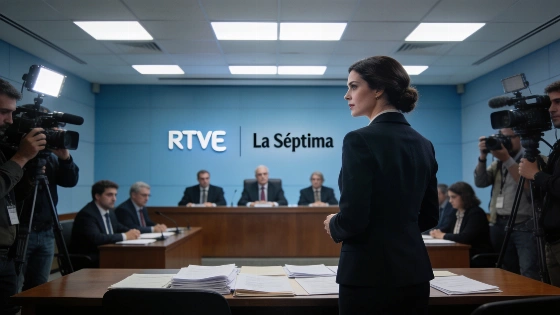
Silvia Intxaurrondo, well-known for hosting La Hora de la1 on TVE, is at the center of a high-profile legal dispute with RTVE. This Thursday, the presenter is taking the public broadcaster to court, seeking to restore her previous annual salary of €253,000 and to secure an indefinite non-permanent position at the company. The case follows a significant pay cut imposed after a labor inspection, which found irregularities in her previous contractual arrangement through her company, Sukun Comunicación. As a result, RTVE reduced her salary by more than €100,000, aligning her new contract with the collective agreement and offering additional compensation for her presenting and directing duties—bringing her current earnings to around €140,000 per year.
The legal standoff comes at a delicate moment for Intxaurrondo, who is also in talks to join La Séptima, a new television channel backed by Spanish shareholders of Prisa with close government ties. The channel is set to launch on November 5, and its promoter, José Miguel Contreras, has reportedly discussed her potential role. However, negotiations are complicated by Intxaurrondo’s demand for a salary well above her current TVE pay, a figure described by sector sources as “much higher.”
Speculation about her future at TVE intensified recently when she left her dressing room empty before going on vacation, prompting rumors about her departure. Intxaurrondo later clarified on social media that she would return in September, but her possible move to La Séptima remains uncertain unless she adjusts her financial expectations.
The court hearing will address Intxaurrondo’s claim that RTVE’s proposed contract after the labor inspection did not comply with the official resolution. RTVE initially offered her an artist contract, which would have allowed her to keep her previous salary, but she rejected it, arguing it failed to meet the requirements set by the labor authorities. Her legal action now seeks not only the restoration of her former salary and benefits, such as a company car, but also a judicial declaration of her status as an indefinite non-permanent employee—a designation that would make it harder for RTVE to dismiss her, though she would still need to pass a competitive exam to secure a permanent position.
According to sector insiders, relations between Intxaurrondo and RTVE’s management have long been strained and remain tense, despite the strong performance of La Hora de la1, which has overtaken rival morning shows led by Ana Rosa Quintana and Susana Grisso. The broadcaster does not plan to call Intxaurrondo to testify at the hearing, though she may attend with her labor lawyer, Jon Zabala. Only the defense can request her testimony.
This legal battle highlights ongoing tensions within Spain’s public broadcasting sector, where employment status and pay structures have come under increased scrutiny. Similar disputes over public sector employment and judicial intervention have surfaced in recent years, as seen in cases involving political figures and public officials. For example, the issue of judicial oversight in politically sensitive cases was recently discussed in the context of high-profile court rulings, as detailed in a recent report on judicial independence in Spain.
In Spain, indefinite non-permanent contracts are a unique employment category, often resulting from court decisions after irregular hiring practices are identified. Such contracts provide more job security than temporary arrangements but do not guarantee lifetime employment unless the employee passes a formal civil service exam. The outcome of Intxaurrondo’s case could set a precedent for other media professionals facing similar contractual disputes with public institutions. As the television landscape evolves with new entrants like La Séptima, the terms of employment and the balance of power between presenters and broadcasters are likely to remain contentious issues.