The Sitges Film Festival will spotlight the 50th anniversary of ‘Carrie’ with restored classics and new horror films. Spanish cinema and religious themes take center stage. Key venues face delays due to ongoing renovations.
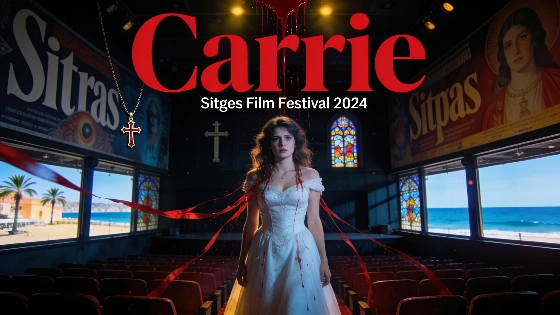
The Sitges Film Festival has unveiled its 59th edition, placing the 50th anniversary of ‘Carrie’ at the heart of its program. Organizers confirmed that the event, scheduled for October 8–18, will feature a strong nostalgic element, with restored versions of iconic films and a focus on the growing trend of religious horror. The official festival image transforms Sissy Spacek’s famous blood-soaked look from ‘Carrie’ into red streamers, setting the tone for a lineup that blends classic and contemporary genre cinema.
This year, Sitges will screen two adaptations of Stephen King’s ‘Carrie’: a newly restored 4K version of Brian de Palma’s 1976 film and the yet-to-be-released miniseries adaptation by Mike Flanagan, which is set to debut on Prime Video. Other restored highlights include David Cronenberg’s ‘Scanner’ (1981) and Chicho Ibáñez Serrador’s ‘¿Quién puede matar a un niño?’, both marking significant anniversaries. Alejandro Amenábar’s ‘Tesis’ will also return to the big screen in a restored version, accompanied by a public discussion with the director.
Religious horror emerges as a central theme, with several new films exploring faith and fanaticism. The program includes ‘Leviticus’ by Adrian Chiarella, which delves into supernatural powers and religious extremism, and ‘The carpenter’s son’ by Lotfy Nathan, starring Nicholas Cage and FKA, focusing on the early years of Jesus Christ. Marion Cotillard leads ‘Karma’, a film centered on the terror of religious cults. The festival will also present ‘Hungry’ by James Nunn, featuring a rebellious hippopotamus, and the dark comedy ‘DRAG’ with Ricky Ullman, Greg Yagolnitzer, and Lucy DeVito.
Spanish productions maintain a strong presence. María Martínez Bayona’s English-language film ‘The end of it’ will premiere, while Carles Torrens’ ‘Apocalipsis Z: Parte 2’ imagines the last uninfected humans in Europe seeking refuge in the Canary Islands. Korean director Yeon Sang-ho returns with ‘Colony’, following his previous success with ‘Tren a Busan’. Other notable entries include ‘Nightborn’ by Hanna Bergholm and ‘The Birthday Party’ by Léa Mysius, which explores the chaos of a remote birthday celebration.
Festival director Ángel Sala announced that the Retiro cinema, a key Sitges venue, will remain closed due to ongoing renovations. This logistical challenge comes as the festival expands its program with premieres of recent Cannes horror titles, such as ‘Su propio infierno’ by Nicolas Winding Refn, ‘Sanguine’ by Marion Le Corroller, and others. The combination of restored classics, new international releases, and a focus on religious horror reflects both the festival’s legacy and its response to current trends in genre cinema.
The Sitges Film Festival, established in 1968, is recognized as one of the world’s leading events for fantasy and horror films. Its programming often sets the tone for genre cinema in Spain and beyond, attracting filmmakers, industry professionals, and fans from across Europe. The festival’s emphasis on restoration and thematic innovation this year highlights the enduring appeal of classic horror while embracing new voices and trends. The continued renovation of key venues like Retiro underscores the challenges of maintaining historic cultural infrastructure amid evolving audience expectations and technical demands.