Spain is set to tighten its drink driving laws, aiming to cut the legal blood alcohol limit for drivers to 0.2 grams per litre. Backed by the DGT and inspired by global standards, the plan could change how Spaniards drink and drive.
Spain is stepping up its fight against drink driving. The government and the Dirección General de Tráfico (DGT) are not letting go of their plan to bring in a near zero alcohol limit for drivers. Earlier this year, lawmakers blocked a similar move. Now, officials are preparing to take a new proposal to Congress. If passed, it would drop the legal blood alcohol content for drivers from 0.5 to 0.2 grams per litre. For now, the limits stay the same: 0.25 mg/l in exhaled air for most drivers, and 0.15 mg/l for new and professional drivers. Anyone caught with more than 0.60 mg/l faces criminal charges.
Pere Navarro, who leads the DGT, says this is about more than just numbers. "Deberíamos sentirnos orgullosos," Navarro says. He believes Spain is close to ending deaths from drink driving. The new rules would also lower the breath alcohol limit from 0.25 to 0.1 milligrams per litre. That would make it almost impossible to drive legally after even one drink. The plan is still being debated, but if it passes, all drivers would face the same limit. The current split between categories would disappear.
The previous attempt to lower the alcohol limit was narrowly rejected in a parliamentary committee in March 2026, with 19 votes against and 18 in favor.
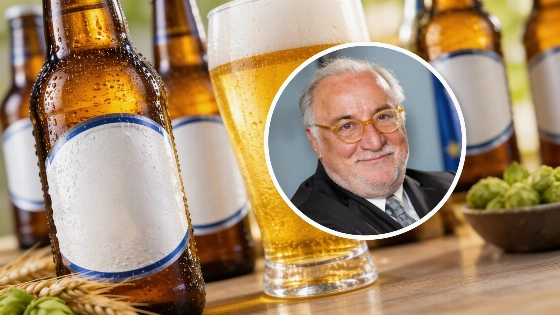
Navarro says Spanish habits are already changing. Alcohol-free drinks like 0,0 beer, tinto de verano, and vermut are on the rise. The Asociación Española de Cerveceros brought these options straight to the DGT. "La cerveza 0,0 nace por la Asociación Española de Cerveceros, que viene a la sede y nos presenta esta alternativa para los conductores," Navarro said in a recent interview. He calls it "una historia de éxito." Last year, sales of regular beer dropped by 4 percent. Alcohol-free beer sales went up by the same amount.
Spain is not alone in this push. The World Health Organization recommends a 0.2 grams per litre limit. Norway and Sweden, both known for strict road safety, already use this standard. Navarro says Spain is following these international guidelines. "La OMS recomienda una tasa del 0,2 gr/l de sangre, eso es tolerancia cero, lo que está bien," he says. The DGT and the Ministry of the Interior say this is a real road safety reform, not just a gesture. They point to international best practices as a main reason for the change.
The government is not going all the way to a true 0,0 limit. Officials admit that some foods or natural fermentation can cause a positive reading, even if the driver has not had alcohol. The small margin is there to avoid punishing people for harmless trace amounts.
According to DGT statistics, alcohol is present in 28% of fatal road accidents in Spain and is linked to more than 40,000 criminal convictions annually. In the summer of 2026 alone, 240 people died on Spanish roads—a 4% increase compared to the previous year, intensifying the political demand for stricter measures.
The numbers are stark. Last year, alcohol was found in 28 percent of fatal road crashes in Spain. More than 40,000 people were convicted for driving over the legal alcohol limit. Navarro calls the reform the last step to break the deadly link between alcohol and driving. "Es cerrar el círculo del alcohol y la conducción. Son muchos muertos, ha habido mucho sufrimiento por el tema del alcohol y la conducción y hay que mirar alternativas."
Road safety groups and foundations back the plan. The DGT hopes this support will help push the bill through in the next vote. The agency is betting that lawmakers will at least let the proposal move forward. This determination is similar to what has been seen in other parts of Spanish transport, as reported earlier with electric cars changing the auto industry.
Spain is taking a practical approach, mixing public health with cultural change. The rise of 0,0 drinks is more than a trend. It shows how attitudes about risk and responsibility are shifting. If the new limits pass, Spain will join other European countries that treat road safety as a shared duty. This is not just about personal choice. The editorial view is simple: Spain needs this change. It brings the country in line with top international standards and shows a mature, serious approach to public safety.