
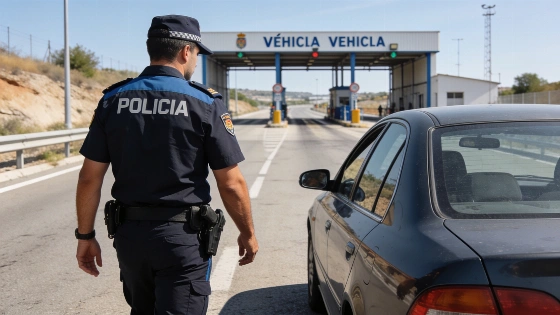
Spanish authorities now have expanded powers to order extraordinary vehicle inspections if safety is in doubt. With Euro 7 standards coming into force, drivers face tougher checks and higher costs if their vehicles fail to comply.
Spanish traffic authorities have gained new powers to demand extraordinary technical inspections from drivers whose vehicles raise safety concerns, as the country adapts to stricter Euro 7 emissions standards. Under the updated regulations, if a traffic officer suspects a car or commercial vehicle is not roadworthy, they can require an immediate inspection focused on the suspected defect, according to the Real Decreto managed by the Ministry of Industry and Tourism.
When such a situation arises, the inspection is limited to the specific mechanical component or system that triggered the officer’s suspicion. If a fault is confirmed, the driver must cover all related costs. However, if the vehicle passes without issue, the administration bears the expense. Officers can also escort the vehicle to a designated inspection station, provided the journey does not exceed 30 kilometers—unless the station is directly along the vehicle’s current route, in which case no distance limit applies. Throughout the process, police are required to facilitate the inspection and minimize disruption to traffic operations.
These changes come as Spain prepares for the full implementation of Euro 7 standards in 2026, which will require more precise measurement of pollutant emissions during technical inspections. According to data from the Dirección General de Tráfico (DGT), nearly 30% of trucks and vans operated without a valid inspection in 2025, highlighting ongoing challenges in compliance and enforcement. The new rules aim to close these gaps and reinforce road safety for all users.
As noted by elespanol motor, the updated framework also obliges inspection stations to act swiftly when requested by authorities, ensuring that traffic monitoring is not unduly delayed. The move reflects a broader European trend toward tougher oversight of vehicle emissions and mechanical integrity, with Spain joining other countries in raising the bar for both private and commercial fleets.
For drivers and fleet operators, the changes mean closer scrutiny and potentially higher costs if vehicles are found lacking. The focus on emissions aligns with wider efforts to modernize transport and reduce environmental impact, a trend also seen in innovations such as the development of electric trailer modules that convert diesel trucks into hybrids—an approach recently explored by a San Francisco-based company, as detailed in this report on new hybrid truck technology.
With enforcement tightening and technology evolving, staying informed about inspection requirements is now more critical than ever for anyone behind the wheel in Spain. The coming years are set to bring even greater emphasis on compliance, emissions reduction, and road safety across the country.