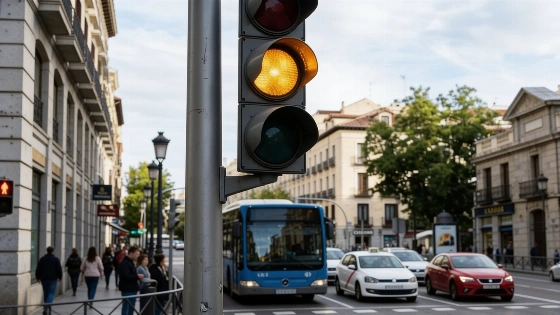
From 1 October, Spain will introduce a major change to traffic light operations. The DGT will prohibit the overlap of flashing amber for vehicles and green for pedestrians, aiming to reduce confusion and improve safety at crossings.
Starting 1 October, Spain will implement a significant update to its traffic light system, as confirmed by the Dirección General de Tráfico (DGT). The new regulation will eliminate a long-standing overlap that allowed vehicles to proceed on a flashing amber while pedestrians simultaneously had a green light at crossings—a scenario that has led to confusion and increased risk for those on foot.
For decades, Spanish traffic lights have followed the familiar red, amber, and green sequence. The first traffic light in Spain appeared in 1926 on Madrid's Gran Vía, initially featuring only red and green. The amber light was added in the 1930s to signal an imminent change from green to red. Since then, the basic system has remained largely unchanged, with only minor adjustments such as the introduction of the flashing amber at certain intersections.
At pedestrian crossings with traffic lights, as a general rule, the flashing amber for vehicles may not coincide with the green for pedestrians.
The problematic situation arises when a vehicle faces a flashing amber, indicating it may proceed with caution, while pedestrians are shown a green light to cross. This overlap, intended to keep traffic moving, has often resulted in uncertainty and near-misses at busy crossings. According to the DGT, this mode will now be banned: "At pedestrian crossings with traffic lights, as a general rule, the flashing amber for vehicles may not coincide with the green for pedestrians."
The change is part of a broader effort to improve urban safety and reduce accidents involving pedestrians. The DGT's decision follows years of debate about how best to modernize Spain's traffic infrastructure, including previous discussions about adding a fourth light for autonomous vehicles. However, the current reform is focused squarely on protecting those who walk.
Traffic lights remain a critical tool for managing urban flow and preventing accidents. As Spanish cities continue to grow and traffic patterns evolve, authorities are under pressure to adapt regulations to new realities. The updated rule is expected to bring greater clarity to both drivers and pedestrians, reducing the risk of misunderstandings at intersections.
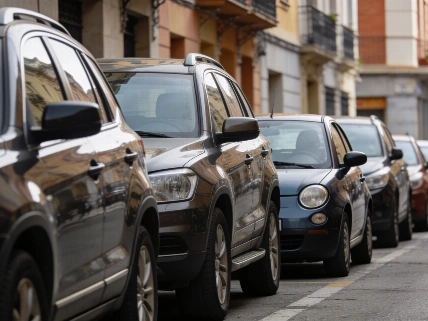
Similar efforts to clarify road rules have been seen in other areas of Spanish traffic law. For example, recent changes have targeted improper parking practices, with fines reaching up to €500 for violations such as parking against the flow of traffic, as detailed in this analysis of stricter parking enforcement.
Looking ahead, the DGT's move may prompt further updates to Spain's traffic regulations as technology and urban mobility continue to evolve. For now, the October change marks a clear step toward safer crossings and a more predictable experience for everyone on Spanish roads.