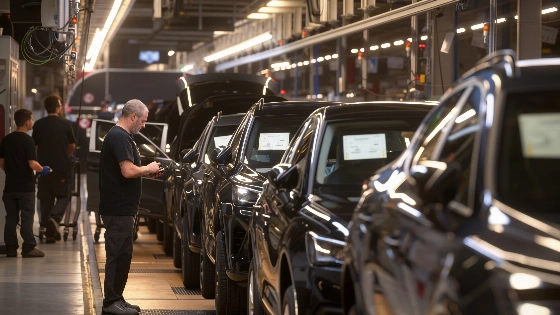
Car production in Spain fell by 26.9% in August, deepening a year-long slump. Industry leaders say the downturn was expected, but the numbers show a sector under real pressure.
Spanish car factories took a hard hit in August. Production of passenger cars fell by 26.9%. This sharp drop is part of a longer slide that has dragged on all year.
From January to August, Spain’s car plants built 1.45 million vehicles. That is 1.8% less than in the same stretch last year. Exports have not helped. Only 1.23 million vehicles have been shipped abroad so far in 2024. Both domestic output and international demand are down compared to previous years.
In May 2026, Spanish factories assembled 211,642 vehicles, which is 4% less than the same month a year earlier, highlighting a sustained downward trend.
Anfac, the national car makers’ association, is sticking to its message. The group says the market is “evolving as expected.” According to Anfac, the current downturn was already factored into industry forecasts. This official line sounds calm, but it does little to ease worries as the numbers keep falling.
The car industry is a key part of Spain’s economy. Policymakers and investors watch it closely. The latest figures come after months of trouble for the sector. Supply chain problems and changing buyer habits have made things harder. A recent report on new brands entering Spain shows that competition is tough. Car makers are under pressure to adapt fast.
Anfac’s steady tone suggests some confidence in the industry’s ability to bounce back. But the numbers tell a different story. The ongoing drop in production and exports means the sector needs to rethink its strategy. For now, how well car makers handle these changes—and whether the forecasts match reality—will decide how the industry weathers this downturn.
According to ANFAC, the absence of dedicated support programs since April 2024 has been a significant factor holding back both production and demand in Spain's automotive sector. The association also warns that, at the current pace, Spain will not meet its zero-emission targets until 2075 unless incentives for electric vehicle purchases are restored and fleet renewal accelerates.