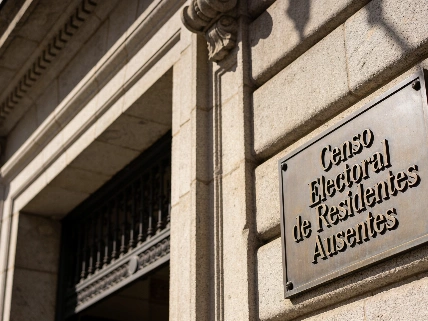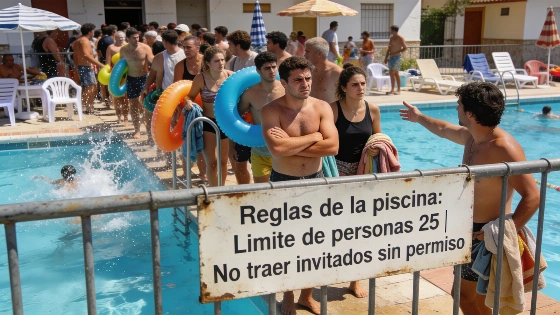
A growing number of Spanish residential communities are voting to restrict pool access for owners who fall behind on their payments. The move, legal under certain conditions, is sparking debate over fairness and the limits of community enforcement.
In Seville and across Spain, the arrival of summer is bringing a new kind of tension to residential communities: the question of whether neighbors who owe money should be allowed to use the communal pool. As temperatures rise, so do disputes over unpaid fees, with many homeowners' associations now considering or implementing bans on pool access for debtors.
The Colegio de Administradores de Fincas de Sevilla reports a surge in requests from communities seeking to limit amenities for owners with outstanding payments. According to Mariló García Bernal, president of the association, more and more buildings are turning to this measure as a way to pressure residents into settling their debts. The approach is gaining traction in part because the communal pool is often the most valued shared facility during the hot months, especially in regions like Andalusia, where there are an estimated 40,000 to 70,000 community pools.
Legal Framework
Spanish law, specifically the Ley de Propiedad Horizontal, requires all property owners to contribute to the upkeep of shared spaces, including pools, gyms, and sports courts. When payments lapse, the law allows communities to adopt deterrent measures, provided they are proportionate, temporary, and approved by a majority at a general meeting. Article 21 of the law explicitly permits the "temporary deprivation of the use of services or facilities" for non-payment, as long as the measure does not affect the basic habitability of the property and is not applied retroactively.
However, the process is not automatic. Any restriction must be clearly defined, specifying when it applies, for how long, and the amount of debt that triggers it. The decision cannot be made unilaterally by the president, administrator, or a small group of neighbors—it requires a formal vote and proper documentation.
What Can Be Restricted?
Communities are allowed to limit access to non-essential amenities such as pools, gyms, paddle courts, and recreational areas. These restrictions remain in place only as long as the debt exists. Essential services—like elevators, building entrances, stairways, water supply, and other elements necessary for normal living—cannot be withheld under any circumstances.
Administrators warn that while these measures can help reduce delinquency, they also risk fueling neighborly tensions. The issue of unpaid fees remains one of the most persistent challenges for Spanish communities, affecting the maintenance and quality of shared services.
Impact on Tenants
The consequences of these bans extend beyond property owners. If a debtor rents out their apartment, tenants may also lose access to the pool if the community has approved such a measure. Under the Ley de Arrendamientos Urbanos, rental contracts can include access to communal facilities, but these rights are subject to the owner's standing with the community. The same applies to spouses, children, or other household members living in the property.
Experts emphasize that any enforcement must be legally sound and proportionate. The involvement of a certified property administrator is crucial to avoid irregular decisions, neighbor disputes, or potential legal challenges. For those considering building or buying in Spain, understanding the rules around community amenities and obligations is increasingly important—a topic explored in more depth in this analysis of the financial logic behind building your own home in Spain.
As the debate continues, the trend toward stricter enforcement reflects both the value placed on communal amenities and the ongoing struggle to ensure everyone pays their fair share. For now, the pool has become not just a place to cool off, but a focal point in the battle over community responsibility.