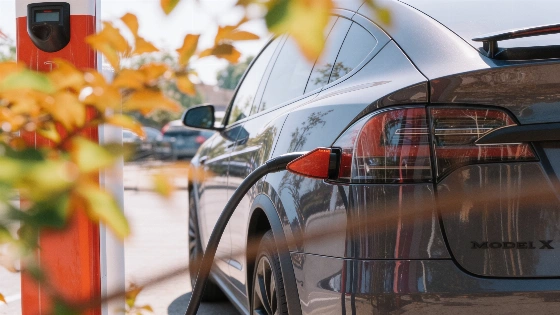
Electric car owners in Spain cannot pass the cost of charging points or electricity to their neighbors. The law makes each driver fully responsible for installation and energy bills in shared garages, closing a loophole that once fueled disputes.
Plugging your electric car into a shared socket and expecting the neighbors to pay? That’s over. Spanish law is clear now. If you want to charge your car in a communal garage, you pay for the installation and every kilowatt you use. No exceptions.
This rule comes straight from Article 17.5 of the Ley de Propiedad Horizontal (LPH). It spells out who pays for what in buildings with multiple owners. The law is blunt. You don’t need a community vote or formal approval to put a private charging point in your parking space. But you must cover the full cost yourself. Official sources say this was meant to cut red tape and speed up electric vehicle adoption in Spain. It also makes sure the community never gets stuck with the bill.
Spanish regulations require that the owner pays not only for the installation and equipment, but also for all subsequent electricity consumption and technical compliance—community funds cannot be used for private charging points.
This setup aims to push electric mobility forward. It keeps residents out of endless meetings and paperwork. But it draws a hard line. Neighbors don’t pay for your car. The law blocks any use of shared funds for private charging. Sector analysts point out that the owner must also follow all technical and safety rules, including Spain’s low-voltage electrical code.
Most charging points are wired straight to the owner’s own electricity meter. That way, every charge shows up only on the car owner’s bill. The process is simple and transparent. No room for tricks. Still, even private chargers may use parts of the building’s shared setup—like cable routes or main power lines. Owners must plan the route and connection point ahead of time. They also need to check that the system can handle the extra load.
Problems start when someone tries to get around these rules. Plugging into a communal socket or tapping the building’s shared power without permission? The community can demand you stop right away. They can also ask for repayment for any unauthorized use. The law is strict. Private electric car charging can’t be paid for by everyone else, unless there’s a special agreement in place.
For large garages with many parking spaces, experts from Repsol highlight that a collective power supply system is often required, designed to accommodate future users. This raises separate questions about initial investment and technical planning, which differ from the rules for individual installations.
Legal experts make a key point. There’s a difference between the right to install a charger and the right to use community resources. The LPH makes it easy to set up your own point. But you must pay for every part of it. No loopholes. Spanish electrical standards also require that load calculations for shared garages use 3.68 kW per 10% of parking spaces, with a simultaneity coefficient, as set out in the technical code.
Installation rights and limits
Can the community block you from installing a charger? Almost never. If you tell the community in advance and the charger is for your own parking space, you don’t need a vote or formal approval. Even if you run cables through shared areas, the law and recent Supreme Court decisions back your right—as long as you meet all technical and safety rules. Cadena SER reports that a qualified professional must do the work. Installing a charger doesn’t always mean you need a new fire safety system, but the garage and equipment must meet current safety standards.
Still, you have to follow all technical rules and make sure the work is safe. Advance notice to the community is a must. The process is designed to be quick and simple. The goal is to balance your rights with the community’s interests, especially as more electric cars appear in Spanish cities. Property managers and experts also advise telling your insurance company about the installation. This helps clarify coverage for both you and the community.
Spain has seen other car-related rule changes too. For example, authorities raised parking fees for oversized vehicles to better manage city space.
What this means for residents
The message is simple. If you want to charge your electric car at home, you can. You don’t need permission. But you pay for everything. The only exception is if the community agrees to share costs. That’s rare and needs explicit consent.
This law ends the fights that used to drag on in Spanish apartment blocks. No more disputes over sockets or shared bills. The rules are clear. The process is fast. The cost is yours alone. For Spain’s growing number of electric car owners, home charging is now possible—but the bill lands in your mailbox. ANFAC data shows that by the second quarter of 2025, Spain had 56,682 public charging points. But 17,821 of those were either not working or not yet connected. The challenge isn’t just legal. Infrastructure is still catching up.