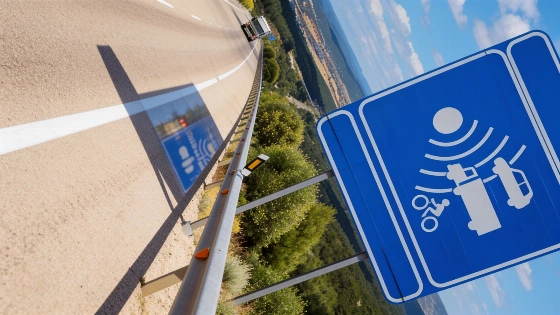
A major scientific review finds that speed cameras in Spain reduce average driving speeds by 7.6 km/h. The study also reveals which types of radar are most effective at curbing dangerous driving habits.
More than 3,600 speed cameras—both fixed and mobile—are now active across Spain, according to recent data. Their main purpose is clear: to enforce speed limits and improve road safety. Now, a comprehensive scientific review published by Science Direct confirms that these devices are making a measurable difference. The analysis, which examined 94 studies from various countries, found that speed cameras reduce average vehicle speeds by 7.57 km/h.
The findings leave little doubt about the impact of automated speed enforcement. Researchers concluded that there is strong and consistent evidence that speed cameras not only lower average speeds but also decrease the proportion of drivers exceeding legal limits and improve overall compliance with traffic laws.
In 13 of the studies reviewed, the installation or use of speed cameras led to an average speed reduction of 7.57 km/h. The authors describe this effect as statistically significant and robust, reinforcing the effectiveness of these traffic control measures.
Which Cameras Work Best?
The study also sheds light on a common phenomenon seen on Spanish roads: drivers often brake sharply when approaching a visible speed camera, only to accelerate again once past it. This behavior, known as the "kangaroo effect," suggests that isolated cameras may have limited influence on long-term driving habits.
To counter this, researchers highlight that the most effective systems are those that create uncertainty about camera locations or use multiple consecutive cameras, especially "section control" or average-speed cameras. These systems encourage drivers to maintain lower speeds over longer distances, rather than just slowing down briefly.
Hidden or less visible cameras are also seen as a smart solution, as they prompt drivers to remain cautious over extended stretches of road. When motorists are unsure where enforcement might occur, they are more likely to respect speed limits consistently.
Among all types, section control cameras stand out as the most effective. By monitoring average speed over a distance, they reduce the typical "brake and accelerate" pattern seen with conventional fixed cameras and promote better compliance across entire road segments.
Where Cameras Have the Biggest Impact
The study notes that the greatest reductions in speed are typically observed on fast interurban roads. However, speed cameras also show positive results in school zones and construction areas, where safety is especially critical. Heavy vehicles, in particular, tend to comply more with speed limits than passenger cars, and the effect of cameras can be amplified by poor weather, clear signage, and ongoing enforcement programs.
Driver attitudes toward speed cameras are also evolving. Survey data included in the review indicates that many motorists admit to changing their driving behavior in response to the presence of cameras. Social acceptance of these systems is relatively high, especially among older drivers and women.
Context and Implications
Spain's investment in speed enforcement technology reflects a broader European trend toward automated road safety measures. While the debate over privacy and revenue generation continues, the evidence suggests that speed cameras are a practical tool for reducing dangerous driving and saving lives. According to the European Transport Safety Council, countries with widespread speed camera use have seen notable declines in road fatalities over the past decade.
As technology advances, the focus is shifting toward smarter, less predictable enforcement strategies that encourage safer driving habits over the long term. For Spanish drivers, the message is clear: respecting speed limits is not just about avoiding fines—it's about making the roads safer for everyone.