Modern cars are no longer just sheet metal. New data shows how brands like Tesla are changing vehicle safety and repair with advanced materials, forcing everyone to reconsider what happens after a crash.
When a Tesla rolls into a body shop after a crash, the old idea of "sheet metal and paint" no longer fits. The company’s latest models use only 16% conventional steel in their bodywork—a number that would have seemed impossible twenty years ago. Instead, aluminum makes up 39%, and high-strength or ultra-high-strength steels account for another 45%. This mix isn’t just a technical detail. It’s changing how cars are fixed, what repairs are possible, and how much protection people get in a collision.
Car construction has shifted dramatically, as shown by a Solera analysis of 200 models. In 2005, most cars were built almost entirely from standard steel panels. Now, the picture is more complicated. Korean brands still use conventional steel for 69% of their bodywork, but have raised high-strength steel to 26%. European makers in the study are even more traditional, with 83% of their car bodies still made from regular steel. Tesla, though, has taken the shift further than anyone else, according to data cited by Google/SpainAuto.
In recent public materials on the Cybercab/robotaxi, Tesla confirmed a move to even more radical construction: exterior panels made of unpainted plastic and production using the 'unboxed' scheme.
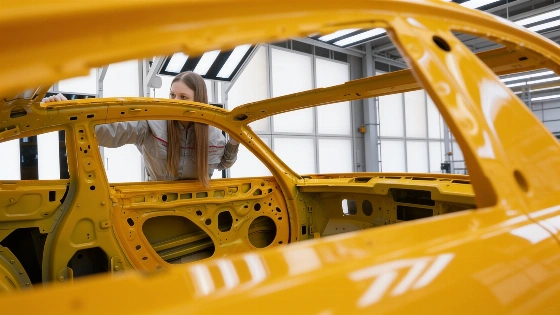
This isn’t just about swapping one metal for another. Each part of a modern car is designed for a specific job: some areas are meant to crumple and absorb energy, while others stay rigid to protect passengers. High-strength steels are placed at key points to handle hard impacts. Aluminum helps cut weight without losing strength. The result is a patchwork of metals, each chosen for its own qualities, and each needing its own repair approach.
For repair shops and owners, these changes are already making a difference—and sometimes driving up costs. A dented steel panel used to be hammered out and repainted. Now, with high-strength and ultra-high-strength steels, old repair methods can weaken the safety features these materials are meant to provide. Tesla’s manuals are clear: minor cosmetic damage to high-strength steel can be fixed cold, but any serious bend means full replacement. Ultra-high-strength steel is even stricter—repairs need special approval, and only in certain spots.
Not every brand or region is moving at the same speed. The rules and materials vary, making things complicated for both drivers and repair shops. As a recent report notes, Spain is already seeing more failed vehicle inspections as old repair habits clash with new car designs.
Industry sources confirm that modern bodies using high-strength and ultra-high-strength steel, aluminum, adhesives, and rivets require repairs strictly according to manufacturer procedures. There is no universal 'pull and paint' for such vehicles; mistakes in repair can affect the structure and energy absorption in a subsequent crash.
For drivers, these changes mean more than better crash protection. Repairs are getting more complex and often more expensive as advanced materials become standard. The days when every dent could be fixed with a hammer are nearly over. Now, owners face a world where specialized skills, careful techniques, and sometimes full part replacements are the only options. Tesla and other brands are leading this shift, and the next big challenge will be making sure repair standards and skills keep up with the new materials already on the road.