US regulators have declined to investigate Tesla Model 3’s manual door releases after a single complaint, but a new federal rule on emergency exits is now in the works. Millions of existing vehicles may remain unaffected.
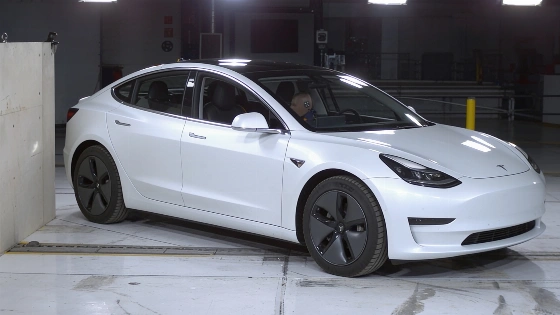
The US National Highway Traffic Safety Administration (NHTSA) has decided not to launch a formal investigation into the mechanical door releases of the Tesla Model 3, despite a petition that raised concerns about emergency egress. The request, filed by Model 3 owner Kevin Clouse, claimed that the car’s manual door unlocks were neither easily accessible nor clearly marked, potentially violating federal safety standard FMVSS 206.
The petition specifically targeted 179,031 Model 3 vehicles from the 2022 model year. However, NHTSA found only a single complaint matching the issue—and it came from Clouse himself. The agency noted that, while FMVSS 206 requires door latches and hinges to function properly to prevent occupants from being ejected in a crash, it does not address the labeling or placement of manual release mechanisms. As a result, NHTSA concluded there was no enforceable violation under current rules.
In the reported incident, Clouse described a frontal collision in which the Model 3 lost power, disabling the electronic door system. NHTSA pointed out that the 2022 Model 3 owner’s manual includes a section titled In case of emergency, with illustrations showing the location of the manual release. With no evidence of a broader safety defect, the agency determined that a defect investigation was not warranted and that the issue would be better addressed through regulatory changes.
Regulatory Shift Ahead
While Tesla avoided a recall or investigation for now, the debate over door safety is far from settled. Just days before Clouse’s petition, another request was submitted to NHTSA’s rulemaking office, urging the creation of a new federal standard requiring “a robust and obvious door opening system in all motor vehicles.” NHTSA has accepted this proposal and is now formally developing new rules for emergency door systems.
The agency explained the stakes in plain terms: a hidden or hard-to-find door release could prevent occupants from escaping in emergencies such as crashes or fires. This concern has been echoed by Tesla owners, including parents who reported their children became trapped in the rear seats of the Model Y when the 12-volt system failed. In response to similar incidents, NHTSA previously opened an investigation into Model 3 emergency door systems after reports of fatal accidents where occupants could not exit the vehicle.
Congress has also weighed in, introducing the SAFE Exit Act in January and citing 15 deaths linked to inaccessible door handles. Meanwhile, Tesla faces lawsuits over fatal accidents involving its door mechanisms, even as it rolls out mechanical solutions in China. The company’s approach to safety and transparency has drawn scrutiny before, as seen when Elon Musk’s promises about open-sourcing Tesla’s vehicle code sparked skepticism among industry observers.
NHTSA’s latest decision leaves Tesla in a mixed position: the company avoids a costly recall, but the agency’s move to update federal standards signals that future vehicles—including those from all manufacturers—will need to meet stricter requirements for emergency exits. For now, however, the millions of Teslas already on the road will not be subject to mandatory retrofits.
Industry analysts note that regulatory changes often take years to implement, and automakers typically have time to adapt designs. The outcome highlights the gap between current safety standards and evolving expectations for vehicle accessibility in emergencies—a gap regulators are now moving to close.