Colombia Heads to a Runoff: Ultraright and Left-Wing Candidates Divide the Nation. Colombia has named its presidential runoff contenders. Abelardo de la Espriella and Iván Cepeda have received nearly equal shares of the vote. The country now finds itself on the verge of political division.
The first round of the presidential election in Colombia has concluded, revealing unprecedented polarization within society. After 100% of the ballots were counted, ultraconservative candidate Abelardo de la Espriella received 43.7% of the votes, amounting to 10.4 million voters. His main rival, left-wing candidate Iván Cepeda, who is backed by incumbent President Gustavo Petro, garnered 40.9%—that is 9.7 million votes.
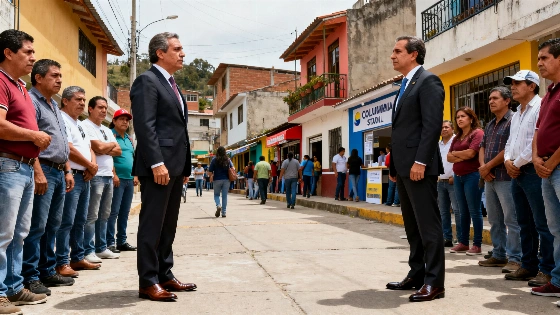
The second round is scheduled for June 21. The two candidates represent diametrically opposed political courses, which has already led to a sharp increase in tensions across the country. De la Espriella, who positions himself as an outsider, declared his intention to “defend democracy at any cost” and warned his opponents against attempts to challenge the election results. Cepeda, for his part, expressed confidence in victory in the runoff and emphasized that the final results must be confirmed by the judicial authorities.
A surprise in the first round was the weak result of Paloma Valencia, nominated by former president Álvaro Uribe's camp. She received only 6.9% of the vote, significantly below forecasts. After the results were announced, Valencia publicly endorsed de la Espriella, noting that his victory would prevent the country from coming under leftist control. She was joined by Uribe himself, who took responsibility for his party's defeat and called on supporters to unite around the far-right candidate.
Left-wing and progressive forces, on the contrary, are stepping up mobilization ahead of the decisive vote. The country is seeing growing confrontation between the two camps, making the upcoming runoff one of the most tense in recent years. According to RUSSPAIN, such polarization has already led to mass protests and debates about the legitimacy of elections in other countries in the region. Recalling recent debates over women's rights in religious processions in León, where traditions clashed with demands for change, one can see similar features in the current situation in Colombia — more on this in the article about religious restrictions in León.
For reference: Colombia is one of the largest countries in South America, with a population of over 50 million. Presidential elections here are traditionally marked by high turnout and fierce competition between conservative and leftist forces. The outcome of the second round could affect not only domestic policy, but also relations with neighboring countries and international partners.