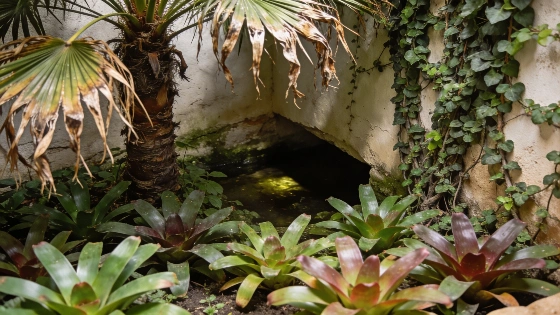
Scorpions rarely invade gardens by chance. Certain plants, like bromeliads that trap water, palm trees with dead leaves, and dense climbing vines, can create the dark, humid spaces these arachnids prefer. The real risk comes from how these plants are maintained, not the species themselves.
In many Spanish gardens and patios, the risk of encountering a scorpion is shaped less by the plants themselves and more by how those plants are cared for. Bromeliads that collect water, palm trees with skirts of dead leaves, and thick, compact vegetation can all create the kind of dark, humid environments where scorpions thrive.
Experts caution that no single plant species inherently attracts or repels scorpions. Instead, the danger arises when plant structures or poor maintenance lead to persistent moisture, deep shade, and accumulations of dead organic matter. According to a 2024 study, certain bromeliads—especially those forming water-holding rosettes—can provide both refuge and escape routes for scorpions like Tityus neglectus. In observed cases, these arachnids used the water stored in the plant to evade predators, sometimes remaining submerged for up to eight minutes. However, this behavior was documented in a specific region of Brazil and should not be generalized to all climates or species.
Bromeliads and Hidden Moisture
Bromeliads that form tank-like structures between their leaves are particularly effective at trapping water. This creates a microhabitat that is both humid and protected, making it attractive to small invertebrates—including scorpions. While this does not mean every bromeliad harbors scorpions, gardeners are advised to keep these plants away from doors, walkways, and walls. Regular inspection and removal of dead material from the rosettes can further reduce the risk.
Palm Trees and Dense Vines
Palm trees, especially those like the Mexican fan palm (Washingtonia robusta), often retain a skirt of dead leaves around their trunks. The University of Florida notes that these dead fronds can serve as hiding places not only for scorpions, but also for rats and snakes. Removing old, dry leaves—without excessive pruning of healthy foliage—can help eliminate these shelters. Similarly, dense shrubs and climbing plants pressed against walls reduce light and airflow, creating more humid, protected spaces. Health authorities recommend keeping foliage trimmed, grass short, and removing piles of leaves, wood, or debris from garden edges. Even potted plants placed directly against walls can create hidden, damp chambers behind them.
Reducing the Risk
Prevention starts with regular garden maintenance. Prune and thin out dense vegetation, clear fallen leaves, and keep pots and planters away from walls. Remove construction debris, wood, stones, and other materials that could provide cover. Sealing cracks, installing drain covers, and ensuring doors fit tightly can also help keep scorpions from entering homes. These steps should be part of routine upkeep, not just a reaction to spotting a scorpion.
Scorpions feed on small invertebrates, especially cockroaches. Keeping rubbish in sealed containers and removing organic waste from patios or terraces can limit their food sources. Cleaning and sealing corners where insects might hide further reduces the risk. When working in the garden, use sturdy gloves and closed shoes, and avoid reaching under stones, logs, pots, or piles of leaves without checking first.
If Stung by a Scorpion
The Spanish National Institute of Toxicology and Forensic Sciences advises washing the affected area with soap and water and seeking prompt medical attention after a scorpion sting. Do not attempt to suck out the venom or handle the animal. Treatment depends on the species, severity of symptoms, and the individual's health. Home remedies are not a substitute for professional care.
Local pain usually appears immediately, but more serious symptoms—such as heavy sweating, vomiting, agitation, breathing difficulties, arrhythmias, convulsions, or loss of consciousness—can develop within minutes or hours. Children are especially vulnerable to severe reactions. Antivenom, if needed, should only be administered in a medical facility under supervision.
While scorpions are a rare sight in most Spanish gardens, understanding how plant maintenance affects their presence can help homeowners reduce the risk without sacrificing greenery. Regular care and attention to garden structure remain the most effective defense.