Toyota Yaris Cross and Kia Niro are battling for the top spot among hybrid SUVs in Spain. We compare their engines, space, equipment, and value to see which model stands out for city life and travel.
Choosing between the Toyota Yaris Cross and the Kia Niro has become a real dilemma for Spanish drivers looking for a hybrid SUV that balances efficiency, practicality, and value. Both models have seen significant updates, aiming to stay ahead of growing competition from Chinese brands and to meet the evolving expectations of European buyers.
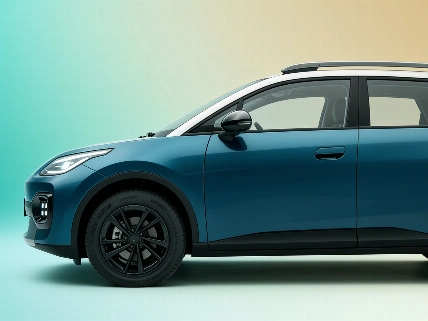
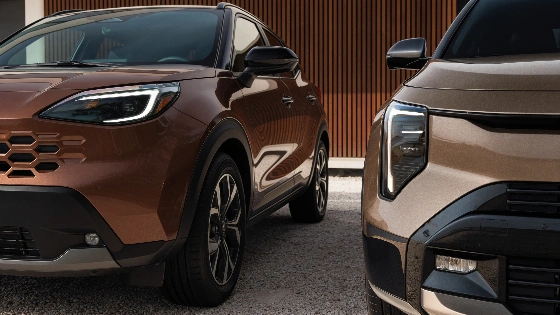
The Toyota Yaris Cross, a cornerstone for the Japanese brand in Europe, has registered 12,884 units in Spain so far this year. Its latest version introduces a redesigned front end, new alloy wheels, and two fresh paint options—Precious Bronze and Celestite Grey. Priced from €27,500, the Yaris Cross remains firmly in the B-SUV segment, measuring 4.18 meters long and 1.76 meters wide. However, its interior space is modest, especially compared to its Korean rival, and the boot offers 397 liters (or just 320 liters with all-wheel drive), which is below average for its class.
Inside, Toyota has focused on improving perceived quality with platinum-colored finishes, but the cabin layout and space remain unchanged. The digital ecosystem, however, has advanced: a 10.5-inch multimedia screen with cloud-based navigation, wireless Apple CarPlay and Android Auto, and a 12.3-inch digital instrument cluster now come standard on higher trims. Mechanically, the Yaris Cross is now offered exclusively with the 132 hp Hybrid 130 engine, combining a 1.5-liter Atkinson-cycle petrol unit with an electric motor. Buyers can choose between front-wheel drive and the AWD-i all-wheel-drive system. Four trim levels—Active, Business, Style, and GR Sport—are available, with standard features including 16-inch wheels, a leather steering wheel, automatic climate control, and a rearview camera.
Kia Niro: Space and Technology
The Kia Niro, meanwhile, has quickly become a pillar for the Korean brand in Europe, with over 620,000 units sold continent-wide and 7,309 delivered in Spain from January to July. The latest Niro, starting at €24,410 with financing, stretches to 4.43 meters in length and 1.82 meters in width, offering noticeably more space—especially in the rear seats and boot, which holds 430 liters. The 2026 model adopts Kia’s ‘Opposites United’ design philosophy, with a sleeker profile and a drag coefficient of 0.28.
Inside, the Niro feels more modern than its Japanese competitor, thanks to new materials and a redesigned dashboard. The infotainment system features a 12.3-inch touchscreen and a matching digital instrument panel, integrating navigation and vehicle functions into a single digital environment. Key tech highlights include over-the-air updates, Digital Key 2.0 smartphone access, wireless charging, and a head-up display. Even the base Concept trim is generously equipped, with 16-inch alloy wheels, adaptive cruise control, dual-zone climate, LED headlights, and a comprehensive suite of safety systems.
Hybrid Powertrains Compared
Both SUVs rely on hybrid power, but their approaches differ. The Yaris Cross’s 132 hp hybrid setup is paired with a CVT automatic, while the Niro combines a 1.6-liter GDI petrol engine (100 hp) with a 43 hp electric motor for a total of 138 hp, delivered through a six-speed dual-clutch automatic. This transmission gives the Niro a smoother, more responsive driving experience, especially on highways and during overtaking.
For drivers who prioritize space and comfort, the Niro’s larger cabin and boot make it a more practical choice for families or frequent travelers. The Yaris Cross, on the other hand, is better suited to urban use, where its compact size and proven hybrid reliability shine. As noted in our recent look at the Peugeot 2008 Turbo 100, the compact SUV segment is evolving rapidly, with buyers expecting more technology and versatility at competitive prices.
Final Verdict
Both the Toyota Yaris Cross and Kia Niro deliver on quality and efficiency, but their strengths diverge. The Yaris Cross commands a higher price, justified by Toyota’s longstanding hybrid reputation, yet it falls short in standard equipment and interior space. The Kia Niro, with its lower entry price, superior practicality, and more advanced automatic transmission, stands out as the more versatile option—especially for those who plan to travel beyond city limits. For urban-focused drivers, the Yaris Cross remains a solid, reliable pick, but for most buyers, the Niro’s blend of space, technology, and value is hard to beat.
For context, hybrid SUVs continue to dominate Spanish registration charts, reflecting a broader shift toward electrified mobility. Both models are part of a new generation of compact crossovers that prioritize efficiency without sacrificing comfort or features, and their popularity suggests this trend will only strengthen in the coming years.