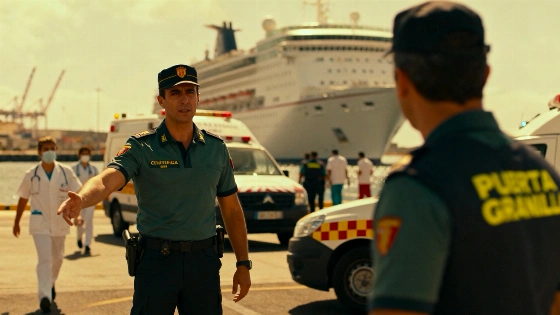
Civil Guard Officer Dies During MV Hondius Passenger Evacuation in Tenerife. A Spanish Civil Guard officer died during the evacuation of passengers from the MV Hondius cruise liner in Tenerife. The operation took place amid a hantavirus outbreak and was coordinated with the WHO. The incident highlighted additional risks faced by emergency services and raised questions about existing emergency response standards.
Main fact
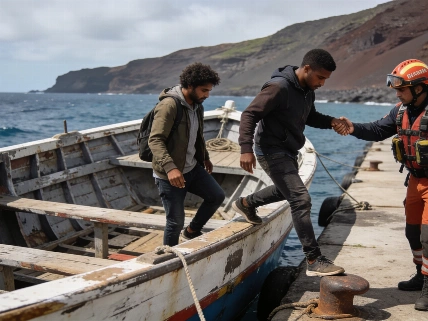
On May 10 in the south of Tenerife, at the port of Puerto de Granadilla, an officer of the Spanish Civil Guard died of a heart attack during the evacuation of passengers from the cruise liner MV Hondius, where a hantavirus outbreak had previously been reported.
Summary of the news
The evacuation was carried out under heightened risk due to the infectious threat. The operation involved medical, port, and law enforcement services. Despite the rapid response of colleagues and medics, the officer could not be saved. This was the first such incident during an epidemiological evacuation in Spanish ports in recent times.
Why it matters
The incident highlighted vulnerabilities in the services responsible for safety and logistics during mass evacuations, especially amid biological threats. For Spain, where tourism and maritime transportation play a significant role, such events underscore the need to revise safety protocols and provide additional support for staff.
Context
MV Hondius is a cruise liner that experienced a hantavirus outbreak on board. The evacuation was coordinated with the involvement of the WHO and local authorities. Such operations require swift coordination between various services, as well as a high level of physical and psychological strain on personnel. In recent years, Spain has dealt with isolated medical evacuations, but operations of this scale are rare.
Who is affected
- Security, medical, and transport personnel involved in emergency operations.
- Cruise and tourist transport operators who need to be aware of new risks.
- Passengers participating in mass transportation under epidemiological threats.
What may change
- There may be a revision of training standards and equipment for personnel working under increased risk.
- Additional support measures and employee health monitoring during evacuations may be introduced.
- Discussion of new interaction protocols between services in similar emergencies is expected.
What remains unknown
- Whether the deceased officer had previously diagnosed health problems.
- Whether official investigations or protocol changes are planned after the incident.
- Whether there is a link between evacuation conditions and the employee's health, or if the tragedy was a coincidence.
How not to misinterpret
- The employee's death was not directly related to hantavirus infection—the cause was a heart attack.
- The incident does not indicate that the evacuation was mishandled, but highlights the pressure on staff.
- It is too early to talk about systemic errors—official conclusions have not yet been published.
Conclusion
The tragedy in Tenerife has shown that even when protocols are followed, emergency operations carry risks for personnel. For security services and transport operators, this is a signal to pay extra attention to staff training and support. It is important to monitor whether the incident will lead to real changes in industry standards.