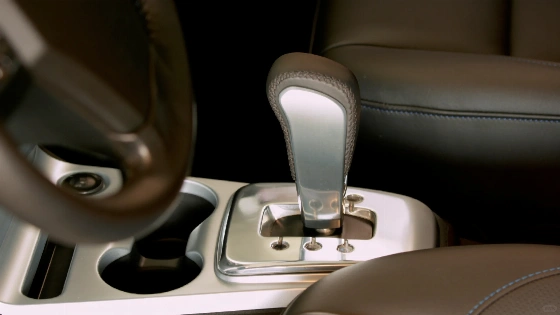
The RAC suggests that drivers with automatic-only licences could switch to manual cars after just one hour of practical training. The proposal aims to simplify the process and reflect the changing car market in the UK.
Drivers in the UK who pass their test in an automatic car currently face a lengthy and costly process if they later want to drive a manual. The Real Automóvil Club del Reino Unido (RAC) is now urging a radical rethink: allow automatic licence holders to upgrade after just one hour of focused practical training, rather than retaking the full manual driving test.
The RAC’s proposal comes as automatic vehicles rapidly gain ground in the British market, driven by the rise of hybrids and electric cars. Yet, manual cars remain dominant in the used car sector and are still the standard for many rental fleets and commercial vehicles. This mismatch leaves many new drivers—especially younger ones—locked out of affordable or widely available options unless they repeat the entire manual test process.
Drivers have already demonstrated their knowledge of road rules and safe driving — repeating a full manual test is unnecessarily bureaucratic and expensive.
Under current UK law, passing the driving test in an automatic car restricts the licence holder to automatics only. To legally drive a manual, drivers must book and pass a second practical test in a manual vehicle, repeating the full examination before a government examiner. The RAC argues this is unnecessarily bureaucratic and expensive, especially since these drivers have already demonstrated their knowledge of road rules and safe driving.
The new proposal would replace the state exam with a short, accredited training module. After a single 60-minute session with a certified driving instructor—covering clutch control, gear changes, hill starts, and avoiding stalling—the instructor would issue a digital certificate. This would allow the driver’s licence to be updated without waiting months for a test slot or paying additional government fees.
Supporters say the change would better reflect today’s car market, where most new vehicles are automatic by design. However, critics—including some road safety groups and examiner associations—warn that mastering manual driving, especially in heavy traffic or emergencies, may require more than an hour’s practice. They argue that the stress of stalling at a busy junction or roundabout could pose safety risks, and suggest any reform should include a longer training period or an internal assessment by the instructor before the licence is upgraded.
This debate echoes broader questions about how driving regulations should adapt to rapid technological change. As the manual gearbox becomes less common in new cars, the administrative hurdles for drivers needing flexibility—whether for work or personal reasons—are increasingly seen as outdated. The RAC’s plan aims to strike a balance between essential technical training and a more streamlined, practical approach to licensing.
Recent cases have highlighted the consequences of strict driving rules and enforcement across Europe. For example, a record-breaking fine for extreme speeding in Switzerland reignited debate over how driving laws should evolve alongside changing technology and driver habits.
While the UK government has yet to respond formally to the RAC’s proposal, the discussion signals a growing recognition that licensing systems must keep pace with the realities of modern motoring. For now, the question remains: how much training is truly enough to safely bridge the gap between automatic and manual driving?