The US is intensifying economic sanctions on Cuba, aiming for gradual change by 2029. Officials reject immediate intervention, leaving Cubans facing worsening shortages and uncertainty.
The United States has reinforced its strategy of economic pressure on Cuba, signaling that any significant political shift on the island is unlikely before 2029. Despite earlier speculation about a rapid regime change following US actions in Venezuela, Washington has opted for a prolonged campaign of sanctions and isolation, with senior officials emphasizing patience over military intervention.
Secretary of State Marco Rubio, a key figure in shaping US policy toward Cuba, has made clear that the current approach is to tighten economic restrictions rather than pursue direct action. In recent interviews, Rubio urged those seeking change in Cuba to remain patient, acknowledging the severe impact on the Cuban population but insisting that the regime will only fall under sustained economic strain. He projected that by the end of the second Trump administration, Cuba could be on an irreversible path toward a different future.
While former President Donald Trump has repeatedly hinted at the possibility of military intervention, including public statements about Cuba being “next” after Venezuela and Iran, Rubio has consistently avoided such rhetoric. Instead, he has focused on the effectiveness of sanctions and the lack of external support for Havana. Since the US imposed a ban on foreign oil shipments to Cuba earlier this year, the island has faced rolling blackouts, food spoilage, and widespread disruption to daily life.
Experts note that the US has implemented at least 40 new sanctions targeting Cuban entities and individuals, including top officials. The withdrawal of foreign investors and hotel groups has further isolated the Cuban economy. According to Rubio, Cuba now lacks both a reliable external sponsor and the benefit of US indifference, a combination that has left the country more vulnerable than at any point since the 1959 Revolution.
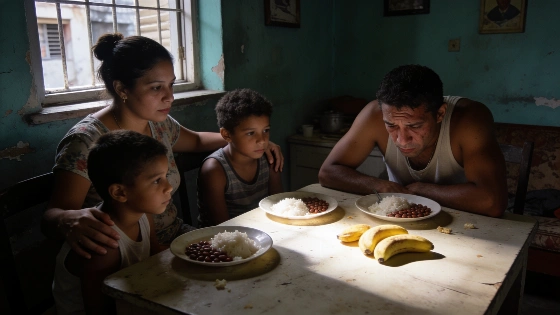
Inside Cuba, the humanitarian situation continues to deteriorate. Local observers report that sanctions intended to pressure the government are instead hitting ordinary citizens hardest, especially those already living on the edge of poverty. The ongoing crisis has led to increased despair among those who once hoped for a swift resolution, with many now questioning how much longer the population can endure the current conditions.
US intelligence agencies have reportedly increased their focus on Cuba, with discussions underway about potential figures who could lead a transition. However, efforts to identify a suitable candidate have so far been unsuccessful, and the Cuban leadership remains resistant to outside influence. Meetings between US officials and members of the Castro family have taken place, but the future direction of US policy remains opaque.
A recent 100-page report from the US State Department outlines the rationale for ongoing and future actions against Cuba, citing decades of alleged interference by the Cuban regime in US affairs. Analysts suggest that this document serves to justify further tightening of sanctions and to reinforce anti-Castro rhetoric ahead of upcoming US elections. The political handling of the Cuba issue is seen as closely tied to the ambitions of key officials, including Rubio, who may consider a presidential run in 2028.
Despite calls from some Cuban Americans for more decisive action, the current administration appears committed to a strategy of gradual pressure. This approach reflects broader trends in US politics, where fatigue with foreign interventions has grown. As noted in a recent analysis of shifting political dynamics, the appetite for aggressive foreign policy moves is waning among many voters.
For now, the Cuban government has not made any major concessions in response to US pressure. Political prisoners remain behind bars, and recent economic reforms have been dismissed by Washington as superficial. The risk of a new migration crisis looms as living conditions worsen, raising concerns about regional stability. Observers warn that the current strategy may deepen Cuba’s humanitarian crisis without delivering the intended political change, making the coming years critical for both the island and US policy in the region.
Contextually, Cuba’s economic dependence on external partners has historically shielded it from the full impact of US sanctions. However, with Russia and Venezuela facing their own challenges, Havana’s options are increasingly limited. The US, meanwhile, is balancing domestic political considerations with the risk of further destabilizing the region. The outcome of this standoff will likely shape migration patterns, economic ties, and diplomatic relations across the Americas in the years ahead.