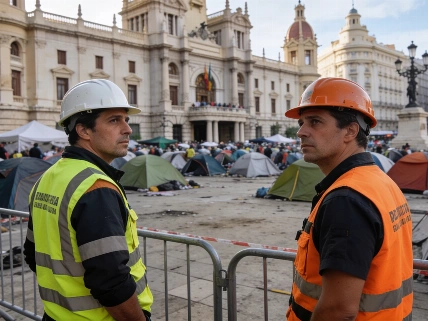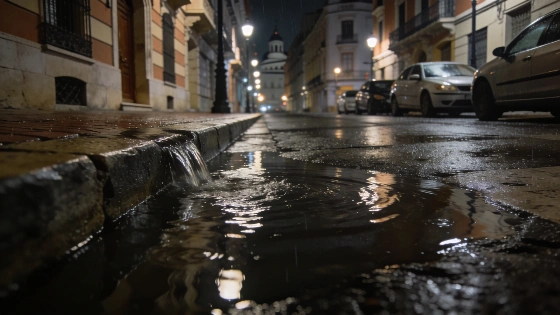
Torrential rain flooded streets and disrupted Valencia’s transport network, with more than 470 incidents reported. Cars were trapped, water entered public facilities and the ES-Alert warning reached residents two hours after the rain began.
Water turned streets into fast-moving channels across Valencia as torrential storms trapped drivers and paralysed transport. More than 470 incidents were recorded during the first hours of the emergency. The ES-Alert message reached residents at 22:08, after two hours of rainfall had already passed, prompting immediate concern about the timing of the warning. RTVE and regional reports, citing the Centro de Coordinación de Emergencias, confirmed that the alert was sent on 16 September to residents along the northern and southern coast of Valencia province.
Cars were left surrounded or partly covered by water, while garages filled and containers were swept along by runoff. Authorities urged residents to avoid travelling, keep away from river channels and move to upper floors of their homes.
В Валенсии ввели ситуацию 1 по Плану специальных мер против наводнений (PEI) после сильных ливней и гроз. Ночью и к утру часть предупреждений и уровней экстренного реагирования была снята.
The disruption spread across the province. AEMET maintained orange warnings for Valencia and neighbouring areas, forecasting very intense rainfall over short periods: up to 40 litres per square metre in an hour in some zones and up to 80 litres per square metre in two to three hours.
Metro services were suspended at several stations after water reached the tracks, leaving passengers stranded on platforms. Cercanías trains stopped operating and Valencia airport was closed. Floodwater also reached the Hospital Clínico de Valencia, where workers tried to hold it back with buckets and towels. Official reports and agency coverage described the airport at Manises as temporarily unable to operate after flooding affected its infrastructure.
In Torrent, women had to be rescued from their car after becoming trapped on a flooded street. In Moncada, water covered almost half the entrance to a supermarket. The incidents showed how quickly the storm moved from a weather warning to a direct threat to movement, access and basic urban services.
Valencia city authorities had already activated emergency protocols on 15 September in response to yellow and orange weather warnings. The measures included cancelling outdoor sporting events and imposing restrictions on facilities in areas at risk of flooding.
The episode revived painful memories of the DANA of 29 October 2024. That memory was already present when the alert arrived, and the delay between the start of the rain and the emergency message became a central concern for residents facing rapidly worsening conditions. The contrast with earlier storm coverage is stark: in Valencia, the danger moved beyond forecasts and appeared in streets, stations, homes and hospital facilities. Reports from RTVE and emergency authorities placed the episode within a broader period of severe instability across the Mediterranean.
Lightning added another danger. Around 9,000 strikes were recorded in two hours, and one caused a fire at a shopping centre in Alfafar. Intense rainfall, flooded infrastructure and electrical activity left residents facing several hazards at once.
Paterna’s mayor announced the suspension of classes in all schools as a precaution ahead of the possible alert expected the following day. The decision extended the disruption to education and family routines while transport services and the airport remained affected.
The sequence of events exposed the main practical concern: water entered a hospital, cut rail connections, stranded passengers and forced rescues before the public warning was issued. The authorities’ instructions were clear once delivered, but the timing revealed a dangerous gap between the storm’s arrival and the alert. Valencia’s emergency was therefore also a test of how quickly warnings can protect people when urban systems begin failing at the same time.