On October 4, hundreds of classic cars and motorcycles will line Valladolid’s main streets as Motor Vintage returns. The event welcomes vehicles built before 1997 and celebrates the people who keep Spain’s automotive history alive.
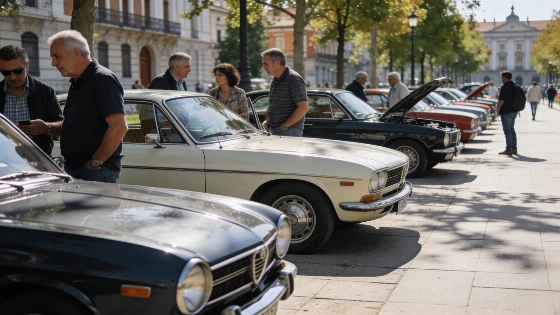
On Sunday, October 4, Valladolid’s Paseo Central del Campo Grande will turn into an open-air museum. The thirteenth Valladolid Motor Vintage opens its gates to vehicles built before December 31, 1996. This is more than a parade of polished chrome. It’s a rare chance for the public to get close to the machines and the people who shaped Spain’s car history. Organizers and independent sources expect around 500 classic vehicles in the city center. That makes it the biggest event of its kind in Castile and León.
VMV does things differently. Instead of grouping cars by age or type, it lines them up by brand. Visitors can see how each marque changed over the years, from the earliest models to the last of the 1990s classics. It’s a hands-on walk through the story of the automobile, from pre-war legends to youngtimers. The main venues are the Paseo Central del Campo Grande, Acera de Recoletos, and Plaza de Zorrilla, as confirmed by several car magazines.
Registration for participants is free but mandatory, and only those who receive confirmation from the organizers will be allowed entry. The deadline for registration is midnight, September 30, 2026.
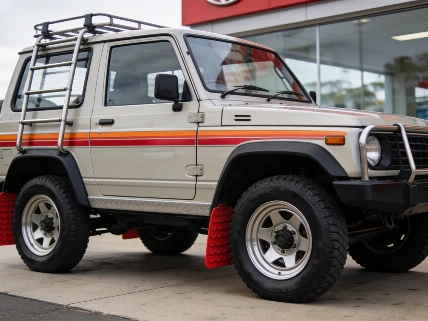
Anyone with a qualifying vehicle can take part—cars, motorcycles, trucks, fire engines, military vehicles, even tractors—if they were made before the cutoff or have historic plates. But you can’t just show up. Registration is free but required, and only those who get confirmation can enter the show area. The deadline is midnight, September 30. Spaces are limited, so latecomers may miss out. Multiple sources stress that unconfirmed vehicles will not be allowed in.
For collectors, VMV is more than a show. It’s a place to swap advice, spare parts, and stories about bringing old machines back to life. Sponsors like Mapfre, Michelin, Lexus, and the Ayuntamiento de Valladolid give the event official backing. Partners such as Coca-Cola and Rock on Wheels España add to the festival feel. The support from big brands and the city shows the event’s high profile, as leading car outlets point out.
But the real heart of VMV is the meeting between owners and the public. Most people in Spain rarely see classic vehicles outside museums or a quick glimpse on the road. VMV closes that gap. It sparks conversations and curiosity about how cars have shaped society, culture, and the economy. The Federación Española de Vehículos Históricos (FEVA) says these gatherings matter. They want to show the historical and cultural value of these machines, which UNESCO lists as part of industrial heritage.
On October 4, temporary traffic restrictions are expected in the Campo Grande and Recoletos areas due to the event, as reported by specialized automotive resources. Residents and visitors should plan for possible transport inconveniences in the city center during the show.
Spain has 175,850 historic vehicles. That’s far fewer than France, Germany, or the UK. The new Reglamento de Vehículos Históricos has made it easier and cheaper to get historic status. This could help Spain catch up. But as VMV shows, growth depends on the passion of owners as much as on new rules. Every person who brings a car or bike keeps this interest alive and visible.
There will be prizes for the oldest car, motorcycle, and industrial vehicle, and for the vehicle with the oldest Michelin tires. Clubs with the most members—both local and from outside Valladolid—will also get awards. There’s a photography contest for everyone who attends. The event runs from 11:00 to 14:30. Participants should arrive between 9:00 and 10:30. The main venues are the Paseo Central del Campo Grande, Acera de Recoletos, and Plaza de Zorrilla.
To keep standards high, all vehicles must be well-preserved, true to their original design, and free of modern ads. The organizers are clear: only those with confirmed registration get in. Any questions should go straight to El Norte de Castilla.
Valladolid Motor Vintage stands out for its size and openness. It welcomes everything from luxury coupes to work trucks. This mix matches the spirit of other Spanish classic car events, like those recently reported in Langreo. But VMV’s city setting and brand-based layout make it a unique, hands-on experience.
As Spain’s interest in car history grows, events like VMV do more than celebrate the past. They bring generations together, revive old stories, and show that the legacy of the car is about people as much as machines. The thirteenth Valladolid Motor Vintage will turn city streets into a stage for living history—and show how a community can keep its mechanical past alive.