Vox has named Álvaro Zancajo as its new Andalusian senator. The appointment comes while Zancajo faces an official probe into possible incompatibility between his party and media roles. The case raises questions about political appointments and oversight.
Vox has selected journalist Álvaro Zancajo as its new senator representing Andalusia, a move that immediately sparked scrutiny due to his ongoing investigation for alleged incompatibility of public and party roles. Zancajo, who has served as the party's national media coordinator since October 2024—a position created by Vox leader Santiago Abascal—now steps into the Senate while still under review by the Andalusian Anti-Fraud Office.
The core of the controversy centers on Zancajo's dual responsibilities. Since 2022, he has held a seat on the board of RTVA, Andalusia's public broadcaster, a role that legally requires exclusive dedication. At the same time, he has acted as Vox's chief press officer, raising concerns about whether these posts can be lawfully combined. The Anti-Fraud Office is currently examining whether Zancajo's simultaneous positions breach regulations designed to prevent conflicts of interest in public administration.
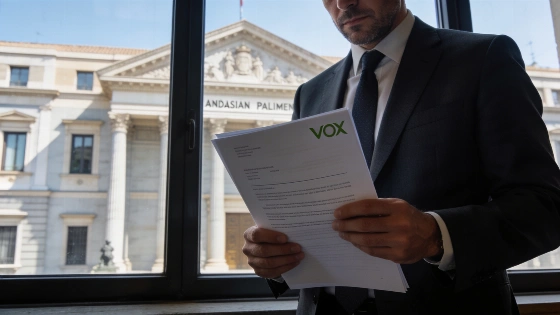
Vox, in its official communication to the Andalusian Parliament regarding Zancajo's Senate appointment, included a declaration from Zancajo himself. In this statement, he asserts that no incompatibility exists that would prevent him from serving as the party's representative in the upper chamber. The party maintains that all legal requirements have been met, despite the ongoing investigation.
This appointment comes at a time when political scrutiny over public appointments is intensifying in Spain. Recent months have seen several high-profile cases where the boundaries between party interests and public office have been questioned. For example, similar debates have arisen in other regions, as highlighted by recent coverage of alleged political pressure within the Guardia Civil, which can be explored in more detail through this report on tensions involving Spain's Interior Ministry.
Andalusia, as Spain's most populous region, often finds itself at the center of national debates over governance and transparency. The RTVA board, responsible for overseeing the region's public media, is a politically sensitive institution, and appointments to its leadership are closely watched. The legal framework governing incompatibilities is intended to safeguard the independence of public bodies and prevent undue influence from political parties. The outcome of the Anti-Fraud Office's investigation into Zancajo's case may set a precedent for future appointments, especially as parties continue to seek greater control over regional institutions. As of now, Zancajo's dual roles remain under official scrutiny, and the case underscores ongoing tensions between political strategy and public accountability in Spain's regional governments.