A Vox deputy mayor in Toledo bypassed a coalition pact, enabling the rainbow flag on city hall. The PP was caught off guard, opposition parties criticized the process, and coalition tensions escalated.
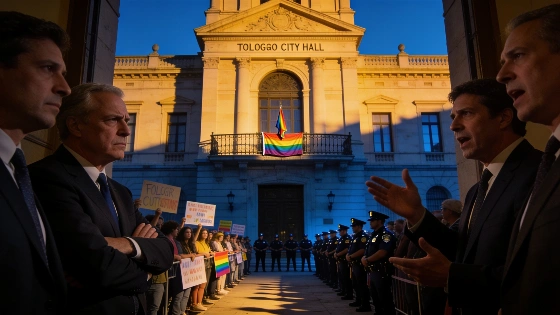
The political alliance between PP and Vox in Toledo faced a public test this week after the rainbow flag was displayed on the city hall balcony, breaking with a previous informal agreement. The move came after Inés Cañizares, Vox's deputy mayor, presided over the Junta de Portavoces in the absence of the mayor and opted to follow the municipal rules, putting the decision to a weighted vote. This procedural shift bypassed what the PP described as a standing verbal pact requiring unanimity for any symbols on the building's facade.
The decision caught PP representatives off guard. José Manuel Velasco, representing the PP, initially voted in favor alongside PSOE and IU-Podemos, but then requested a pause to consult with his party. After nearly a full day of deliberation, the PP confirmed its support, but not without accusing Cañizares of undermining the coalition's consensus on such matters. Velasco argued that any symbol on the city hall is, in effect, an institutional statement and should require full agreement from both governing parties.
Cañizares, however, defended her actions as strictly adhering to the municipal regulations. She denied the existence of any binding verbal or written agreement mandating unanimity for decisions about public symbols. According to her, the practice of requiring consensus was merely a custom of the mayor, not a formal rule. She also referenced a Supreme Court ruling that allows the LGTBIQ+ flag on public buildings, as it is not considered a partisan symbol. Cañizares insisted her approach was democratic, emphasizing that she personally does not favor the flag but respects the outcome of a legal vote.
The flag was installed on Thursday without an official ceremony or involvement of local groups, prompting criticism from the Socialist group, which described the act as secretive and lacking transparency. Opposition leaders questioned the coalition's handling of the issue, with the PSOE's Noelia de la Cruz highlighting the small size of the flag and accusing both PP and Vox of failing to follow the council's own rules for three years. IU-Podemos spokesperson Txema Fernández pointed to the PP's delayed response as evidence of ideological confusion within the party.
This episode in Toledo reflects broader tensions seen in other Spanish regions where coalition dynamics with Vox have led to last-minute shifts and public disagreements. For example, similar strains were evident during government formation talks in Andalusia, as detailed in coverage of coalition negotiations in Andalusia. Such incidents highlight the challenges of maintaining unity when informal agreements are tested by procedural decisions and shifting political priorities.
Toledo's city hall controversy underscores the complexities of coalition governance in Spain's municipalities. The Supreme Court's stance on non-partisan symbols like the LGTBIQ+ flag provides legal backing for such displays, but local customs and political agreements often shape how these rules are applied. As coalition governments become more common in Spanish cities, the balance between formal regulation and informal consensus is likely to remain a source of friction, especially on issues with strong symbolic significance.