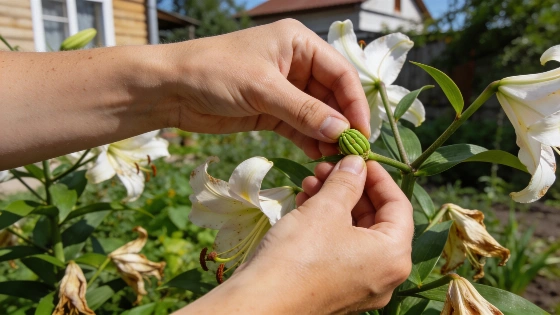
Cinnamon is gaining popularity as a practical solution for summer plant care. Its natural properties help deter insects, prevent mold, and protect fresh cuts after pruning. Here’s how this common spice is quietly transforming home gardening routines.
Sprinkling cinnamon on soil is emerging as a go-to strategy for gardeners facing the challenges of summer heat. As temperatures climb and watering routines intensify, plants become more vulnerable to pests, fungal growth, and stress from pruning. Many are now turning to this familiar kitchen spice for its surprising benefits in the garden.
Cinnamon’s strong aroma acts as a natural deterrent for insects and mosquitoes, making it especially useful for plants kept on balconies, terraces, or near open windows. A light dusting around the base of stems can help keep unwanted visitors at bay without resorting to chemical sprays. The key is moderation: too much cinnamon can compact the soil, so a thin, even layer is enough to create a protective barrier. Reapply after several waterings or when the scent fades.
Preventing Mold in Humid Conditions
Excess moisture is a common problem during summer, often leading to a white, powdery mold on the surface of potting soil. Cinnamon’s antifungal properties can help limit this growth. By sprinkling a small amount on damp soil, gardeners can reduce the risk of mold taking hold. However, this remedy works best alongside good watering habits—avoiding overwatering, ensuring proper drainage, and removing dead leaves that trap moisture remain essential steps.
For delicate plants, it’s wise to start with a minimal amount and observe how they respond. While cinnamon can support plant health, it is not a substitute for targeted treatments if a serious infestation or disease is already present.
Protecting Fresh Cuts After Pruning
Another practical use for cinnamon is in wound care after pruning. Applying a pinch directly to freshly cut stems or leaves can help seal the area, reducing the risk of infection or rot caused by lingering moisture. The process is straightforward: use clean fingers or a spoon to gently cover the exposed tissue, then keep the plant in a well-ventilated spot and avoid overwatering during recovery.
This method is particularly helpful for plants that are pruned regularly or have suffered accidental damage. When used in moderation, cinnamon can become a simple addition to a summer plant care routine, offering extra protection during the most stressful months.
According to Talent24h, the growing interest in cinnamon reflects a broader trend toward natural, accessible solutions in home gardening. While not a cure-all, its versatility and ease of use make it an appealing option for those looking to keep their plants healthy through the heat.