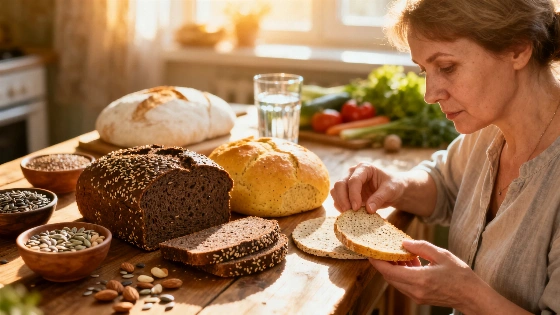
Freezing bread is no longer just about avoiding waste. Recent studies suggest it may also slightly reduce the bread’s impact on blood sugar, though the effect is limited. Here’s what actually happens when you freeze and reheat bread—and why so many households are making it a routine.
Pulling sliced bread from the freezer has become a daily ritual in many Spanish homes. What started as a way to keep bread fresh and cut down on waste is now being reconsidered for its potential health benefits. But does freezing bread really make it healthier, or is it just a practical solution for busy households?
According to the Spanish Agency for Food Safety and Nutrition, freezing food at -18°C or below safely halts the growth of microorganisms and preserves nutritional quality. Bread is no exception: when frozen properly, it retains its nutrients. The main risk is not nutritional loss, but changes in texture or flavor—especially if the bread is frozen while still warm or already stale.
How to Freeze Bread Well
For best results, bread should be frozen when it’s fresh and at room temperature. Slicing it before freezing allows you to defrost only what you need, avoiding the common mistake of thawing an entire loaf for just a few slices. Wrapping bread tightly in a sealed bag or container helps prevent freezer burn and the formation of ice crystals, which can ruin both crust and crumb. Hearty breads—like whole grain or rye—tend to withstand freezing better than lighter varieties.
When it’s time to eat, letting bread thaw on a rack at room temperature helps maintain its texture. For a quicker option, slices can go straight into the toaster or oven. This not only saves time but may also influence how the bread affects your body.
What Science Says About Glucose and Health
The idea that freezing and reheating bread could make it healthier has gained traction, especially on social media. Gastroenterologist Karen Alarcón has pointed out that this process may increase the formation of prebiotic fiber and slightly reduce the bread’s impact on blood sugar. The scientific basis comes from a small study published in the European Journal of Clinical Nutrition, which found that people who ate white bread that had been frozen, thawed, and toasted experienced a lower spike in blood glucose compared to those who ate fresh bread. The effect was most pronounced when the bread was toasted after freezing.
However, experts caution against seeing frozen bread as a miracle food. The study was limited in size and scope, focusing only on white bread and short-term glucose response. The overall impact on health is modest, and the most important factors remain the type of bread you choose and how much you eat.
Practical Benefits and Final Thoughts
Freezing bread remains a smart way to reduce food waste and save money, especially for those who don’t finish a loaf in one day. While there may be a small benefit for blood sugar control, it’s not a substitute for a balanced diet or healthier bread choices. For most people, the main advantage is convenience—having fresh-tasting bread on hand whenever it’s needed, without daily trips to the bakery.
As with many kitchen habits, the real value of freezing bread lies in its practicality. The potential health effects are interesting, but they don’t outweigh the basics: choose quality bread, store it well, and enjoy it in moderation.