Spain’s DGT says vowels are barred from new registration plates to prevent offensive combinations and names. The change from the N series to P is estimated for 2027, with no date confirmed by the authority.
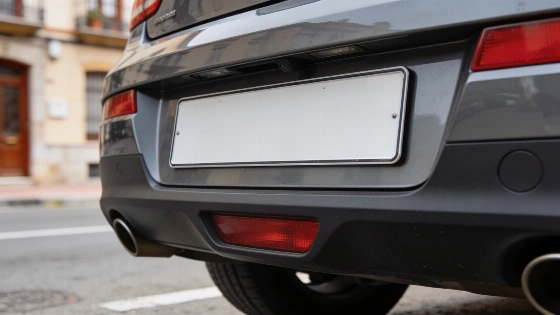
Introduced in September 2000, the four-digit, three-letter format deliberately leaves all five vowels out of the letter sequence. The DGT says the restriction helps prevent offensive words from appearing on plates. It also avoids combinations that could match names or read as confusing initials. Royal Decree 2822/1998 established the system, approving Spain’s General Vehicle Regulations and setting out the technical specifications for registrations in Annex XVIII.
Examples of excluded-letter combinations include ANO, PIS, EVA and ANA. Annex XVIII of the General Vehicle Regulations sets out the rule. The system uses 20 letters across its three letter positions and allows 80 million combinations when paired with four digits. The nationwide sequence replaced the earlier system, where provincial identifiers showed where a vehicle was registered.
The next change comes at the end of the N series. Once those combinations run out, the first plate series beginning with P will follow: the final N combination is NZZ and the first P combination is PBB. The letter O is excluded, so it cannot serve as the next initial.
Specialist portals estimate the transition will happen in 2027, but the DGT has announced no official date. The timing depends on how many vehicles are registered, so the pace can vary from month to month.
Two other letters are also missing. Ñ is excluded because it resembles N, while Q can be mistaken for O or zero. The character groups CH and LL are also left out of the three letter positions, helping drivers and control systems read plates more easily.
The sequence can give a rough indication of when a vehicle was registered in Spain: later letter combinations generally correspond to newer registrations. It does not establish a car’s age, though. An imported used car may receive its Spanish registration years after it was built, a distinction related to the topic to used-car import risks.
The ordinary four-digit, three-letter format is not the only Spanish registration category. The Ministry of Foreign Affairs assigns diplomatic plates, which are issued through DGT provincial traffic offices to diplomats and consuls, as well as senior officials. The DGT describes them as valid indefinitely, with annual reviews. Vehicle type also affects plate specifications: two-wheeled vehicles up to 50 cc use a yellow background with black characters.
Before September 2000, Spanish plates carried provincial identifiers. In the Canary Islands, TF represented Santa Cruz de Tenerife and GC represented Las Palmas. The national system replaced those geographic references with a shared sequence. Spain’s registration history dates back to 1900: the first vehicle recorded by the DGT was a Clement with a Dion Bouton engine, registered in the Balearic Islands on 31 October.