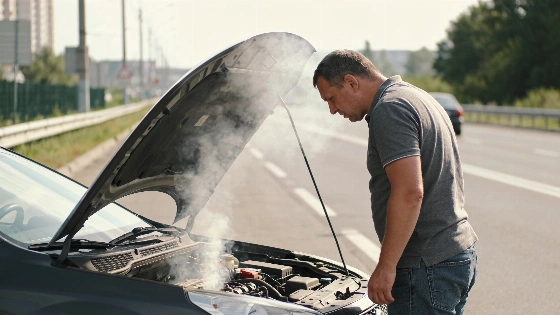
Many drivers start their cars with the air conditioning already switched on, especially during Spain’s intense summer heat. Mechanic Juan José Ebenezer warns this routine can put unnecessary strain on your vehicle and may even shorten its lifespan. Here’s what you should know before your next drive.
When temperatures soar and car interiors feel like ovens, it’s tempting to start the engine with the air conditioning already blasting. But according to Juan José Ebenezer, a seasoned mechanic and popular voice on social media, this habit could be quietly damaging your vehicle’s health.
Ebenezer recommends a simple change: always switch off the climate control before turning off your car, and keep it off when you start the engine. Only after a few seconds—once the engine has begun to lubricate itself—should you activate the air conditioning. This approach, he explains, reduces the initial load on the starter and battery, and helps the engine avoid unnecessary stress during ignition.
Understanding the Mechanic’s Advice
While many modern cars are equipped with electronic systems that can delay the compressor’s activation until the engine is ready, Ebenezer’s advice is rooted in prevention. Leaving the AC on doesn’t guarantee immediate damage, but it can accelerate wear over time, especially in older vehicles or those with weaker batteries. He also notes that drivers should always follow the manufacturer’s recommendations, as some newer models are designed to manage these loads automatically.
There’s another practical tip: turning off the air conditioning a few minutes before you reach your destination. Component manufacturer MAHLE suggests this helps dry out the evaporator, reducing the risk of moisture, mold, and unpleasant odors inside the cabin—a detail that can make a real difference during long, humid summers.
Heat and Tire Pressure: A Hidden Risk
Summer heat doesn’t just affect comfort—it also changes how your car behaves on the road. Tire manufacturer Continental points out that a 10°C rise in temperature can increase tire pressure by up to 0.14 bar. This means that after driving, your tires may read as overinflated, but releasing air at this point is a mistake. Always check tire pressure when the tires are cold, using the values listed on the driver’s door, fuel cap, or in the manual. Incorrect pressure can compromise braking, reduce grip, and cause uneven tread wear.
Keeping Cool Without Compromising Safety
Inside a parked car, cabin temperatures can easily exceed 60°C under the Spanish sun. The DGT (Spain’s traffic authority) warns that such heat not only increases driver fatigue but also slows reaction times and reduces concentration. To counter this, air out your car by lowering the windows before setting off, and aim to keep the cabin between 22°C and 24°C. For the first moments of your journey, it’s effective to leave the windows open while the AC runs, helping expel trapped hot air more quickly.
On longer trips, regular breaks, proper hydration, and parking in the shade are essential. Never leave children, elderly passengers, or animals inside a stationary vehicle, even for a short time.
For those seeking alternative ways to stay cool during heatwaves, some drivers have found relief in traditional methods like the so-called Egyptian Method, which focuses on cooling the body at night without relying on air conditioning. More on these practical tips can be found in this guide to beating the summer heat without AC.
As Spain’s summers grow hotter, small changes in driving habits—like managing your air conditioning and monitoring tire pressure—can make a significant difference in both comfort and vehicle longevity.