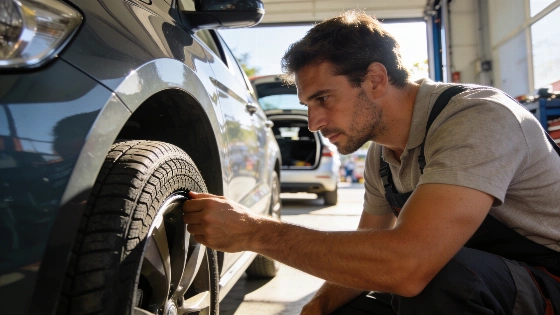
Rising summer temperatures in Spain put extra stress on car tyres, increasing the risk of blowouts and costly damage. Understanding when and how to replace tyres can help drivers avoid accidents and unexpected expenses.
As Spain braces for another record-breaking summer travel season, the condition of your car’s tyres could make all the difference between a safe journey and a roadside emergency. With over 104 million trips expected on Spanish roads this summer, according to elespanol motor, the heat is not just uncomfortable—it’s a real threat to vehicle safety.
High temperatures accelerate tyre wear, making blowouts and punctures more likely. Underinflated tyres are especially risky: not only do they increase fuel consumption, but they can also shorten tyre lifespan by up to 15%. While Spain does not require seasonal tyre changes by law, certain mountain routes may mandate winter tyres or chains during snowy periods. For most drivers, all-season tyres remain the most practical choice, sparing them the hassle of seasonal swaps.
Mateo, a well-known mechanic on social media (@talleresmateo2.0), offers clear advice for those facing a tyre replacement. “Always change tyres in pairs, fitting both new ones on the same axle,” he explains. Mixing brands or models is a bad idea—not only can it cause unpredictable handling, especially during braking or cornering, but it may also lead to problems during the ITV inspection. Ideally, all four tyres should match in brand and model to ensure consistent grip and compliance.
Knowing when to replace tyres is just as important as how. Clicars estimates that most tyres last between 40,000 and 60,000 kilometers, though this depends on whether your car is front- or rear-wheel drive. Front tyres wear faster on front-wheel-drive vehicles, and vice versa. Key warning signs include visible cracks, worn tread, or an old manufacturing date. A quick test: insert a one-euro coin into the main tread groove. If the gold edge is fully visible, tread depth is below 3 mm and it’s time to book a service. Drivers should also check the TWI (Tread Wear Indicator) markers—small ridges in the tread grooves. If these are flush with the tread surface, the tyre has reached the legal minimum of 1.6 mm and must be replaced.
With so many vehicles on the move, even experienced drivers can overlook tyre safety. The surge in summer travel puts extra pressure on both vehicles and infrastructure, making regular checks more important than ever. For those interested in the broader realities of life on Spanish roads, the daily challenges faced by independent truck drivers are explored in this in-depth look at Spain’s trucking profession.
In summary, while Spain’s laws may not force a tyre change with the seasons, the risks posed by summer heat are real. Regular inspections, timely replacements, and choosing the right tyres for your driving habits are essential steps for a safe and stress-free holiday on the road.