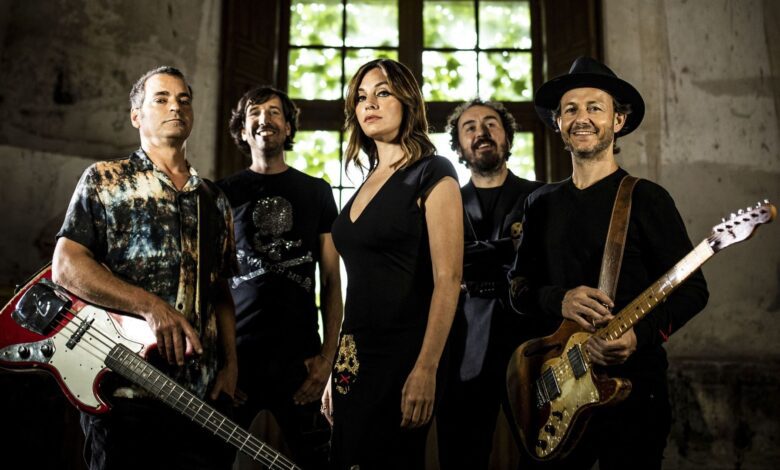
In the fall of 2024, the Spanish pop band La Oreja de Van Gogh found itself at the center of a major scandal. After seventeen years on stage, the group suddenly announced its split with Leire Martínez, who had been the voice of the band since 2007. In an official statement, the musicians emphasized that their years of collaboration were full of creativity and emotion, but stressed that the decision was not easy and was the result of lengthy discussions and disagreements about the future of the band.
Leire Martínez later admitted that leaving the group was a real shock for her. According to her, the reasons were not only personal differences but also conflicting views on the band’s development. In an interview, the singer noted that members’ priorities diverged and the atmosphere within the group had become tense. However, the details of the conflict remained behind the scenes for a long time.
A Rift Within
The situation escalated in the summer of 2024, when former lead singer Amaia Montero unexpectedly appeared at one of the concerts. Her return to the stage sparked a wave of emotions among fans and became the starting point for new changes. Inside the group, discussions began about possibly reuniting with Amaia for select performances. Leire proposed a compromise—joint performances by both vocalists—but the idea was firmly rejected.
Amaia Montero insisted on rejoining the band solo, without involving Leire. The other members supported this decision, effectively leaving Martínez out of the group. For many fans, this turn of events came as a shock, as Leire had become an integral part of the band over the years and made a significant contribution to its success.
Aftermath of the reshuffle
Amaia Montero’s return also had an impact on the other members. Guitarist and songwriter Pablo Benegas, a key figure in the band, decided to leave. He said he doubted whether Amaia was ready to return and did not want to put extra pressure on her. His departure was another blow for the band, which was already going through a difficult period.
As a result of these events, La Oreja de Van Gogh found itself at the center of heated discussions in Spain’s music industry. Fans split into two camps: some supported Amaia’s comeback, while others believed the group had found a new sound with Leire and didn’t deserve such treatment. Debates flared up on social media, and journalists tried to uncover the true reasons behind the conflict.
New revelations
Shortly after the official announcement of Amaia Montero’s return, new details about the band’s internal dynamics began to emerge. It turned out that talks about changing the lead singer had started months before Leire’s departure. Some members believed that returning to their roots could help restore the group’s former popularity, while others feared it might lead to new conflicts.
Leire Martínez herself did not hide her disappointment. In one interview, she admitted she had hoped for a fairer and more open dialogue but was ultimately presented with a fait accompli. According to her, the decision was made without her input, and the atmosphere within the band became unbearable. Nevertheless, the singer wished the group success and said she was ready to move on.
Public reaction
The public and fans responded to the news with mixed feelings. Many voiced their support for Leire, noting her professionalism and contribution to the band’s growth. Others welcomed Amaia’s return with excitement, hoping for a revival of the band’s original sound. Debates continue in music circles over which vocalist is the best fit for the group and who could restore its former fame.
The scandal surrounding La Oreja de Van Gogh has become one of the most talked-about events in Spain’s music industry in recent years. The future of the band remains uncertain, while fans continue to follow the developments closely, waiting for new statements and, perhaps, unexpected twists.
RUSSPAIN reminds readers that La Oreja de Van Gogh is one of Spain’s most popular pop groups, founded in San Sebastián in 1996. The band rose to fame with chart-topping hits not only in Spain, but also across Latin America. Over the years, the group has had two different lead singers: first Amaia Montero, followed by Leire Martínez. Their songs have received numerous prestigious music awards, and their concerts attract thousands of fans worldwide.