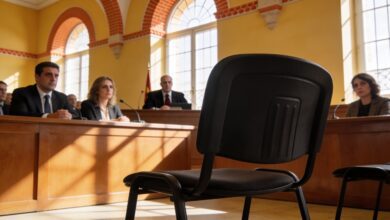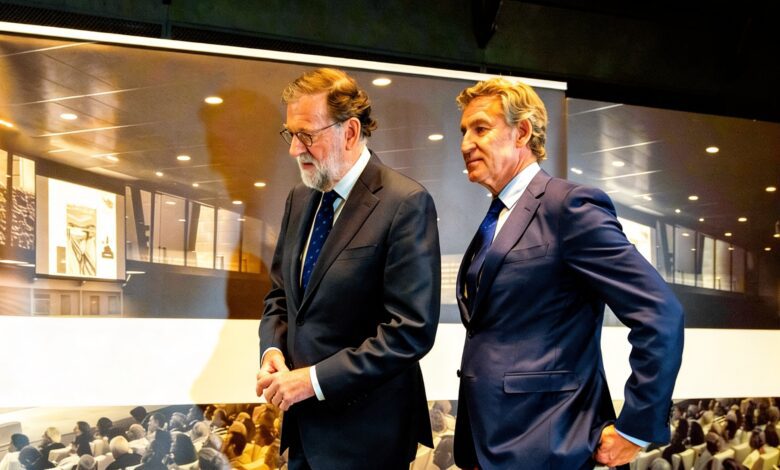
A high-profile trial continues in Madrid over the Kitchen case, in which former Prime Minister Mariano Rajoy has testified for the first time as a witness. He was summoned after the party’s former treasurer, Luis Bárcenas, publicly accused the Partido Popular leadership of organizing an operation to spy on him. According to RUSSPAIN, these statements became a pivotal moment in the proceedings, casting doubt on the role of the party’s top officials in the 2013 events.
Allegations and Rajoy’s Position
Luis Bárcenas, who previously managed the finances of the Partido Popular, claims that the surveillance initiative came not only from Interior Ministry employees, but also from the party leadership. According to him, the operation was designed to search for and seize compromising materials that could harm the party and Mariano Rajoy personally. Specifically, these were documents and audio recordings allegedly related to off-the-books accounting and internal discussions.
Rajoy has consistently denied any involvement in the Kitchen case. He stated that he gave no instructions regarding operations he was not aware of, and emphasized that he is not acquainted with former commissioner José Manuel Villarejo, who figures in the case materials. During the hearings, Rajoy also noted that he received no information about contacts between María Dolores de Cospedal and Villarejo, despite the meetings taking place at the party’s central office.
Investigation Details and New Testimonies
The case materials include police testimonies and internal reports mentioning someone referred to as “El Asturiano”—a nickname that, according to investigators, was used to refer to Mariano Rajoy. The lead investigator on the Kitchen case confirmed that this name repeatedly appeared in wiretaps and documents related to the operation. However, Judge Manuel García-Castellón found there was insufficient evidence to hold Rajoy accountable, noting the absence of direct proof of his involvement.
The prosecution and representatives of the accusers insist that such a large-scale operation would not have been possible without support from the party’s senior leadership. At the same time, attempts to reopen the preliminary investigation and to bring María Dolores de Cospedal back to account were unsuccessful. The court upheld the decision to close this line of inquiry due to a lack of evidence.
Who else was summoned to court
Alongside Mariano Rajoy, five other witnesses appeared in court that day, including María Dolores de Cospedal, former Minister of the Interior Juan Ignacio Zoido, as well as former senior officials from the Ministry of the Interior and the Partido Popular apparatus. Their testimonies are expected to help the court establish who made the decisions in the Kitchen case and to what extent the party leadership was involved.
The issue of political pressure and transparency in Spanish institutions has repeatedly become a topic of public discussion. For example, recently the host of La Hora de La 1, Silvia Intxaurrondo, raised questions about news integrity and openly spoke about the influence of politicians on information policy, which is covered in detail in the article about Intxaurrondo’s statements and the reaction to them.
The court proceedings in the Kitchen case are ongoing, and their outcome may influence perceptions of transparency and accountability in Spanish politics. The upcoming sessions promise new details and possibly unexpected twists.