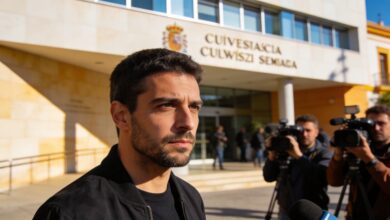
The situation surrounding the religious group Hijas del Amor Misericordioso (HAM) in Madrid has become one of the most discussed topics in recent weeks. For Spain, this is not just an internal church dispute—it concerns the fate of young women whose families are demanding change and protection of their rights. The repercussions could affect not only the organization’s members but also the entire system regulating religious associations in the country.
Over the past month, five HAM members left the house in Los Molinos, triggering new investigations. According to El Pais, three of them have officially notified the Madrid archdiocese of their departure from the group. This comes amid numerous complaints about strict rules, psychological pressure, and restrictions on freedom. As a result, the archdiocese has temporarily suspended the group’s leader, Maria Milagrosa Perez Caballero, known as Marimi, and halted the admission of new members.
Investigations and consequences
The future of HAM is now being decided at the Vatican level. Following an internal investigation, a church court has recommended dissolving the organization due to serious violations. At the same time, prosecutors and police are conducting their own inquiries, including suspected sect-like practices and abuses. As El Pais notes, if the group is disbanded, the fate of its property and the future of over one hundred members will need to be resolved.
Families of former and current HAM members claim that strict control prevails within the community, and young women are subjected to emotional and physical exhaustion. Parents report cases where their daughters had their names changed, their contact with the outside world restricted, and were even given medication without medical supervision. Some mothers admit they can communicate with their daughters no more than once a month, and all letters and calls are filtered by the leadership.
Internal regulations and criticism
HAM was founded in 1983 and officially recognized as a church in 2007. Since then, the organization has grown to 120 members, most of whom are young women under 30. In addition to the women’s branch, there is also a men’s group and a circle of supporters among relatives and friends. Formally, HAM’s activities are limited to prayers and spiritual practices, but in recent months there have been allegations of violated personal boundaries, manipulation, and even attempts at ‘correcting’ sexual orientation, which is prohibited by Spanish law.
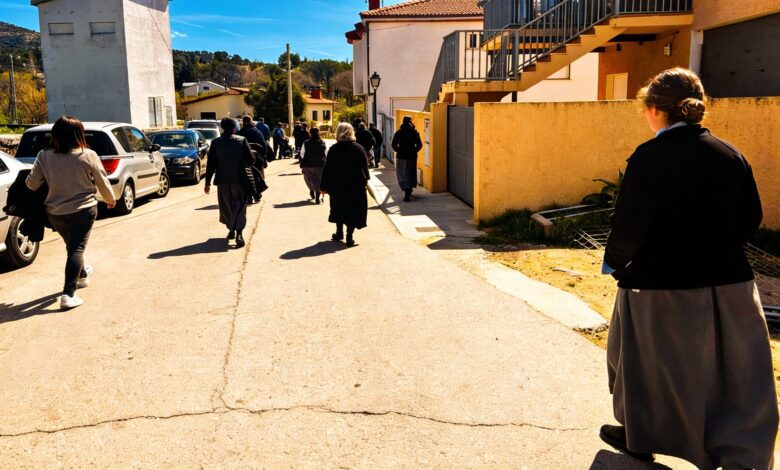
Strict discipline is enforced within the community: participants wear identical clothing, follow a rigid schedule, and any doubts or questions are seen as signs of weakness. According to russpain.com, such methods are typical of closed religious groups where the leader gains virtually unlimited power over members.
Response from the church and society
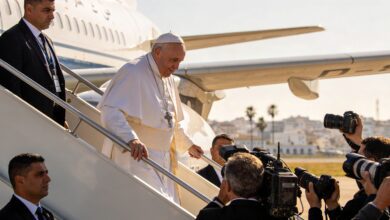
The Archdiocese of Madrid has appointed an interim administrator for HAM and launched a review of its charter, management structure, and financial flows. However, affected families consider these measures insufficient and are demanding the complete dissolution of the organization. In a letter to Pope Leo XIV, they described cases of psychological pressure, isolation, and rights violations, and called for decisive action.
The situation is developing differently across other regions of Spain. For example, the Archdiocese of Toledo has already banned HAM from operating in its territory. Meanwhile, inspections continue in Seville and other cities, with police investigating possible violations under criminal law.
Background and similar cases
In recent years, Spain has faced several high-profile scandals involving religious associations accused of sect-like practices and human rights violations. In 2024, a similar group in Valencia was shut down following intervention by the prosecutor’s office. Cases have also been recorded in Catalonia and Andalusia, where former members of religious organizations reported psychological pressure and restrictions on their freedom. These events highlight the need for stricter oversight of such groups and better protection of participants’ rights.