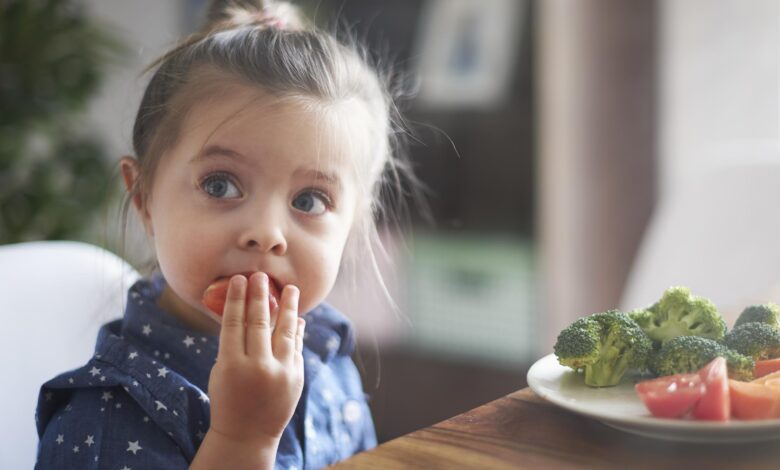
In recent years, Spain has seen a steady increase in the number of families deliberately moving away from traditional diets in favor of vegetarian and vegan diets for their children. Parents, inspired by the healthy lifestyle trend, are increasingly eliminating meat—and sometimes all animal products—from their kids’ meals. However, a recent meta-analysis by an international team of scientists has raised the question: are these diets truly safe for the younger generation?
The study, which covered nearly 50,000 children from various countries, revealed concerning trends. It found that children following ovo-lacto vegetarian or vegan diets were more likely to develop deficiencies in vital vitamins and micronutrients. The most significant issues involved vitamin B12, vitamin D, calcium, and iron. Although plant-based foods are rich in fiber and certain minerals, this is not always sufficient for a child’s healthy development.
Nutrition and growth
The authors note that vegetarian and vegan children, on average, receive fewer calories, protein, and fats than their peers who eat traditional diets. At the same time, their intake of carbohydrates, fiber, vitamin C, and folic acid is higher. But this advantage comes with a drawback: a shortage of B vitamins, vitamin D, zinc, and selenium. Particularly among vegans, extremely low calcium intake was found, which could negatively affect bone development.
The physical development of children on plant-based diets also differs. They are more likely to have shorter stature, lower body mass index, and less body fat. Their bone mineral density is usually lower compared to omnivorous peers. While most of these indicators still fall within the normal range, the overall trend raises concerns among pediatric nutrition specialists.
Health risks
Iron deficiency and anemia are among the most common problems faced by ovo-lacto-vegetarian children. Vegans are more likely to experience vitamin B12 deficiency, as well as lower levels of hemoglobin and ferritin. Doctors warn that such deficiencies can lead to chronic fatigue, reduced concentration, and even delayed physical development.
In addition, children following plant-based diets are more frequently underweight and may suffer from vitamin A deficiency. During periods of rapid growth and development of body systems, this can become a serious problem. Doctors emphasize that without proper meal planning and regular health monitoring, such diets can be harmful to a child’s health.
Meal planning
Experts agree: vegetarian and vegan diets for children require special attention. Parents need to carefully choose foods to compensate for potential deficiencies. In some cases, vitamin supplements and regular consultations with a nutritionist are necessary. Only with this approach can risks be minimized and a child’s healthy development ensured.
In Spain, where Mediterranean cuisine is traditionally valued, the shift toward plant-based diets is becoming increasingly popular. However, experts advise against blindly following trends and urge a thoughtful approach. This is especially important for families with young children, for whom balanced nutrition is the key to lifelong health.
A look at the trend
Interestingly, despite all the risks, many parents continue to insist on the benefits of vegetarianism for children. They are convinced that giving up meat and animal products helps prevent obesity and cardiovascular diseases. However, scientific evidence points to the need for balance. Without enough vitamins and minerals, even the ‘cleanest’ diet can lead to problems.
Doctors in Spain are increasingly faced with questions from parents about how to properly organize a vegetarian child’s diet. The answer is clear: professional supervision and regular blood tests are essential. Only this way can adverse effects be avoided and children’s health maintained.
In case you didn’t know, Monica Dinu is a leading nutrition specialist at the University of Florence, whose research frequently sparks discussion within the professional community. Her team regularly analyzes the impact of various diets on the health of both children and adults. In Spain, the results of such studies are actively discussed among pediatricians and dietitians, as children’s nutrition remains one of the most pressing and relevant topics for families across the country.