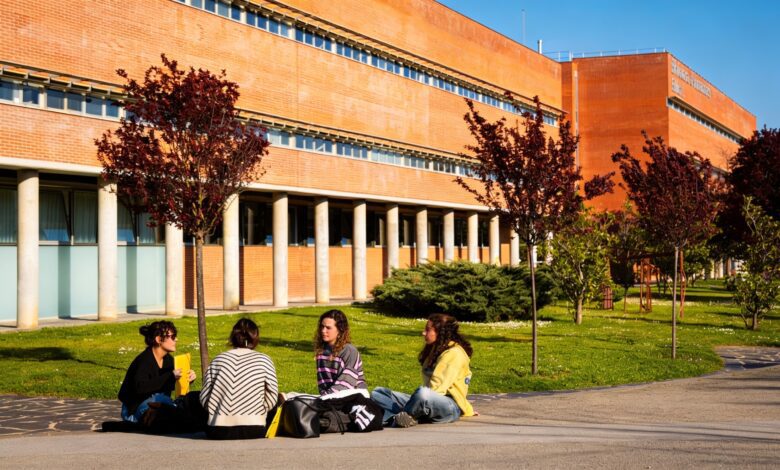
At the Universitat Autònoma de Barcelona (UAB), there has been a sharp increase in student absenteeism from in-person classes: according to a recent report, up to 40% of students regularly miss classes in certain disciplines. The problem has become systemic and is causing concern among faculty and university administration. The study, which covered both quantitative and qualitative aspects, notes that the situation has worsened significantly since the COVID-19 pandemic.
Scale and dynamics
According to the report, just over half of UAB students attend almost all classes, with about a quarter present at 60–80% of lectures. Roughly one in four admits to attending only half of their classes. Faculty estimate average attendance at 60.7%, with nearly half of them facing more than 40% student absences. In some instances, absenteeism exceeds 60%.
Causes of absenteeism
The main factor cited by students is health problems and family circumstances, which account for 32.3% of all absences. These may include both physical and mental illnesses, emotional difficulties, or challenging situations at home. Another 15.6% attribute absenteeism to lack of motivation: many say they see no point in attending lectures or prefer other activities. Teachers tend to view this as a negative attitude toward studying, while students more often link their lack of motivation to dissatisfaction with the learning process.
Other reasons include external circumstances (6.7%), such as transportation issues and weather conditions, as well as a feeling of being unable to cope with the subject (6.2%) and an unfavorable atmosphere in the group (5.4%).
The Role of the University and Teaching Methods
The organization of the educational process also plays a significant role. Instructors point to limitations of the class format, large group sizes, and difficulties in implementing new teaching methods. Students, in turn, complain about a lack of structure, unclear requirements, and an abundance of theory not related to their future profession. This leads to a decline in interest and a gradual loss of engagement, which ultimately results in widespread absences.
Institutional reasons include schedule inconsistencies, rigid time constraints, inefficient time allocation between classes, and a lack of suitable spaces for active learning formats. Assignment overload forces students to choose which subjects to attend, and access to materials online further reduces their motivation to come to class.
Consequences and Trends
Eight out of ten UAB students see obtaining a diploma primarily as a tool for entering the job market. This pragmatic approach encourages superficial learning and lowers engagement in the educational process. The results reflect this and shape a new type of relationship with the university and in-person learning.
The problem of mass absenteeism from classes does not have a single cause. As emphasized in the UAB report, it involves a complex interplay of personal, academic, and institutional factors. Similar challenges with youth engagement in the educational process are being discussed in other regions of Spain as well: for example, recently in Cádiz, using the case of Federico Prat as an example, the issue of the impact of family circumstances on educational trajectories was raised.