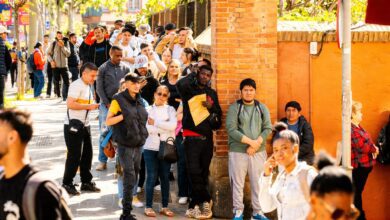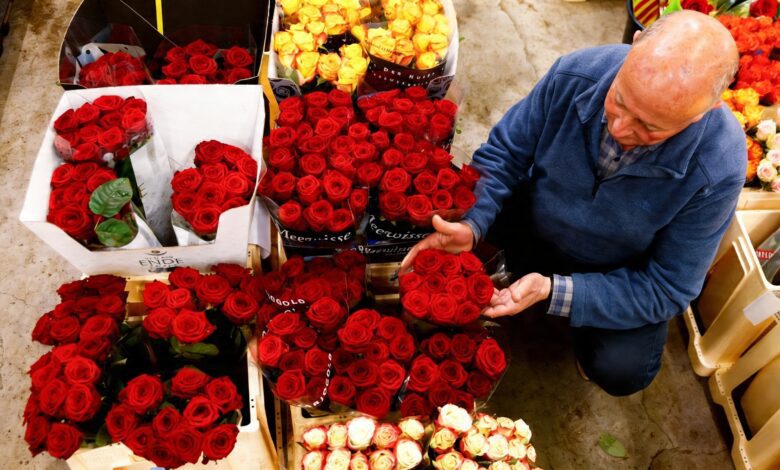
Ahead of Sant Jordi, a dispute has flared up in Barcelona over the illegal sale of roses. City florists have reported that professional businesses are being pushed out on a large scale by private sellers who show up for just one day and take a significant share of the profits. According to Joan Guillén, president of the florists’ guild, out of the 25 million euros generated annually from rose sales, 15 million bypass official outlets. He says this undermines the position of legitimate businesses and casts doubt on the future of the profession.
Imports and shortage of local roses
The situation is further complicated by the fact that out of the seven million roses sold during the holiday, only 20,000 are grown in Catalonia. The rest are mainly imported from Colombia. Guillén attributes this to the region’s priority on development over the preservation of agricultural land. Authorities admit that, even in the best years, local producers would not be able to meet demand, due in part to climate change and a lack of young professionals in the industry.
Calls for regulation
The florists’ guild insists on reducing the number of licenses for private sellers and calls for strict regulation. At the same time, professional florists emphasize that they do not object to roses being sold by students or non-profit organizations where there is a social objective. According to Guillén, such initiatives are not seen as competition, but the market needs protection from occasional traders who disappear immediately after the holiday.
Changes in regulations and controls
This year, city authorities are strengthening oversight of illegal street sales. Last year, police seized 2,700 illegally sold roses, with dedicated patrols focusing solely on this issue. Now, the fine policy is also changing: while previously offenders could get a 75% discount for quick payment, the minimum fine will now be €180, and the discount will be reduced to 50%. As El Pais notes, these measures are intended to reduce the appeal of illegal trade and support legitimate businesses.
Relocation of stalls and public debate
This year, due to construction on La Rambla, the main stalls for selling roses and books have been moved to Portal de l’Àngel and Cathedral Square. This has created tension among market participants and sparked new discussions about the future of the holiday. Authorities emphasize the importance of supporting professional guilds, so that the younger generation sees them as a significant part of city life. Similar debates about the scale and symbols of the festival have already arisen in the region—for example, in a piece about the reaction to comments by Eduardo Mendoza, which can be found at this link.