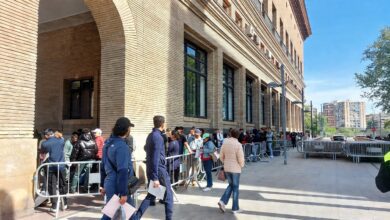
Catalonia has experienced an unprecedented influx of migrants since the start of the week, all seeking to obtain a social vulnerability certificate — a key document required to launch the legalization process under new rules. According to El Pais, in L’Hospitalet de Llobregat (Barcelona) alone, the line outside the La Farga exhibition center reached 5,000 people on Monday morning. Many arrived during the night to secure a spot for an appointment.
According to estimates by city officials, by noon only a third of those waiting — about 1,500 people — had been processed. The rest were given tickets for appointments in the coming days. The main cause of the rush is recent changes to the legalization law, which now require the vulnerability certificate to be obtained at the place of registration.
Lack of information and fear of missing out
Among those gathered are people from various countries with different experiences of living in Spain. Many complain about a lack of information and tight deadlines. Robert, who moved from Poland and has lived in Spain for a year, notes that news about the new document requirement surfaced only a few days ago. He says people fear they won’t be able to complete the paperwork before the deadline: “The system may not cope with such an influx.”
Also waiting in line are Victor and Larisa from Brazil. They arrived in the country in the fall, and are now trying to obtain the necessary certificate through the municipality. Larisa, who is pursuing a postgraduate degree in medicine at the University of Barcelona, admits that understanding the procedure was difficult: “There is almost no information, and we found out about the certificate by chance.” Victor, who works unofficially at a supermarket, hopes that legalization will bring him stability and protection in the labor market.
Difficulties for workers and queues in other cities
Other applicants also report problems finding work and lack of guarantees. Amparo from Bolivia, together with her brother, hopes that legalization will allow her to escape the exhausting schedule of a cleaning job and obtain a more peaceful living situation. At municipal offices in other cities, for example in Figueres, queues for references and certificates have not diminished since last week. There is especially high demand for the historic registration certificate, which confirms long-term residence in Spain. Office staff are forced to announce the end of service daily due to a lack of tickets.
Saadia, a 34-year-old native of Morocco, has been living in Spain for seven years, but due to lack of documents she cannot find work, even as a seamstress in her field. She points out that without legal status, she cannot work or visit her parents back home.
Mistakes and residency restrictions
Many applicants are concerned that any mistake or missing document will result in a denial of legalization. Representatives of the L’Hospitalet municipality emphasize that the vulnerability certificate is issued only at the place of official registration, yet some people arrive from neighboring cities unaware of this restriction. Authorities are forced to explain this directly in the queues.
The situation with the mass influx of people seeking documents resembles the recent collapse in the church archives of Catalonia, when thousands of applicants tried to obtain extracts for citizenship procedures — a similar rush was already observed in Barcelona and Lleida.
According to El Pais, Catalonia is currently leading in the number of legalization requests. Regional authorities warn that if the flow of applicants continues, municipal services may face serious overload and delays in document processing.