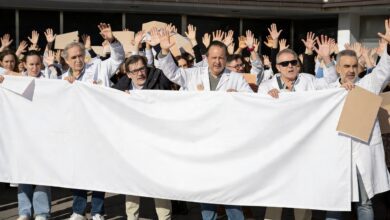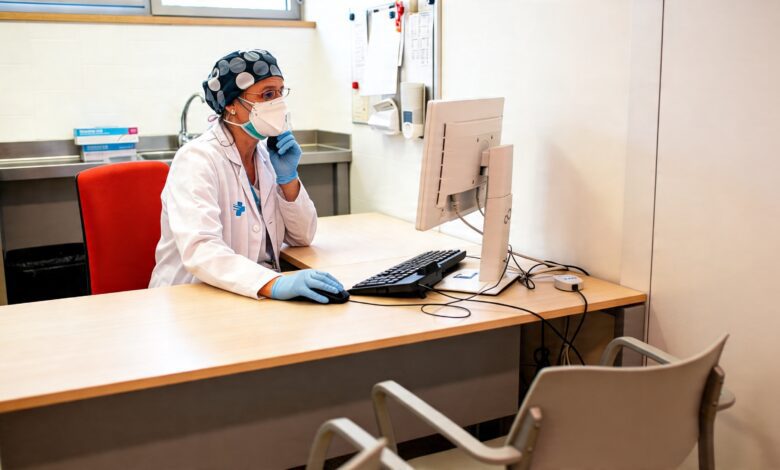
A heated debate has erupted in Catalonia between employers and trade unions over the rising number of sick leaves. According to El Pais, a new report by the CC OO union points to an unexpected trend: more than half of the region’s workers have gone to work at least once in the past year despite conditions that required official sick leave. According to CC OO, 51.3% of employees admitted to working while ill, and in high workload sectors this figure reaches 86.7%.
The union calls this phenomenon “presenteeism” and claims that it, not “absenteeism,” causes real harm to both health and the economy. CC OO believes that the pressure on workers is linked to fear of losing their jobs, low wages, and lack of flexible conditions. This is especially common among employees in education, healthcare, and hospitality. According to the study, women are 51% more likely than men to go to work when sick.
Employers and authorities argue over the causes
Catalan employers insist on the need to combat “absenteeism” and point to financial losses from prolonged sick leaves. However, CC OO argues that most sick leaves are short-term and that the real issue is employees returning to work too soon and experiencing relapses. The report notes that only 10% of companies actually monitor health risks for employees, while preventive measures remain merely formalities.
The Catalan authorities have also joined the discussion: the health department ran campaigns promoting ‘responsible use of sick leave.’ Recently, the government abandoned a plan to incentivize doctors to shorten the duration of sick leaves, following criticism from trade unions.
Workers’ health at risk
The CC OO report emphasizes that widespread ‘presenteeism’ leads to an increase in chronic diseases and deteriorating mental health. The average physical health index among workers is 53.9 points, and the mental health index is 65.6. Two-thirds of employees with health issues suffer from back, neck, and shoulder pain, and nearly one in five is at risk of mental disorders.
The union is demanding stricter control over working conditions, higher salaries, and reduced working hours. According to CC OO, investments in the prevention of occupational and psychosocial risks remain minimal in most companies. During the report presentation, the general secretary of CC OO in Catalonia, Belén López, stated that employers often limit themselves to formal occupational safety documents without ensuring actual protection for staff.
Context and other controversies
Issues of labor rights and working conditions remain in the spotlight not only in Catalonia. Recently in Spain, there was discussion about the relocation of María Jesús Montero, who refused to unpack her belongings before the elections in Andalusia — details of this decision and its potential impact on the political situation can be found in the article about the life of the PSOE candidate in Seville.