In Spain, a unified 018 hotline has been launched to support victims of road traffic accidents. The new service, initiated by the Dirección General de Tráfico (DGT), is a response to longstanding demands from associations of the bereaved and injured. Now, anyone affected by the aftermath of an accident can receive free consultations and assistance from specialists nationwide.
The 018 service is available daily from 8:00 to 21:00 and operates throughout Spain. Operators include social workers, psychologists, and lawyers specially trained to work with road accident victims. They provide information about necessary procedures, available resources, support organizations, and offer personal assistance in complex cases—for up to a year after serious accidents. Assistance is available in 50 languages, including all the country’s official languages.
Practical support and new opportunities
According to Interior Minister Fernando Grande-Marlaska, the launch of 018 not only provides direct assistance but also makes it easier to access the existing support network. This should reduce the risk that someone is left without information or qualified guidance. Authorities emphasize that the hotline does not replace emergency services (112 remains for that), nor is it a therapy line or a substitute for personal legal representation.
You can contact the service not only by phone, but also via WhatsApp (645 713 823), by email at [email protected], or through a special form on the DGT website. The agency notes that the remote format helps overcome fear, geographic barriers, and lack of resources, while confidentiality boosts trust in the service.
Associations’ reaction and the long-awaited decision
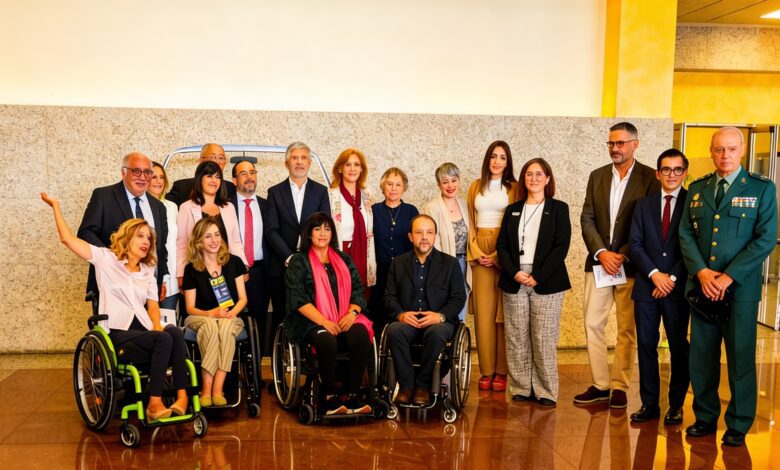
Road accident victim associations call the launch of 018 a historic step. Representatives from these organizations, present at the presentation in Madrid, note that this number could become the first lifeline for people whose lives have changed as a result of an accident. According to them, support is especially important in the first hours and days after the incident, when victims face legal challenges, emotional shock, and the urgent need to resolve numerous issues.
Jeanne Picard, head of Stop Accidentes, emphasized that it took 25 years to launch the service and expressed hope that as few people as possible will need to call this number. Representatives of other associations added that help is especially in demand after hospital discharge, when many do not know where to turn for social support.
Context and the experience of other countries
According to the Ministry of the Interior, similar services already operate in Argentina and Colombia. In Spain itself, regional experience has been gained, for example, in Catalonia, where the Servicio de Información y Atención a las Víctimas de Tráfico (SIAVT) operates. The new national number is intended to consolidate efforts and make assistance accessible to everyone, regardless of where they live.
The introduction of 018 became part of a set of measures aimed at reducing the consequences of accidents and supporting victims. Earlier, the authorities strengthened road controls by introducing additional inspections and mobile radars, which was discussed in detail in the article on new safety measures on highways: details about raids and inspections on Spanish roads.