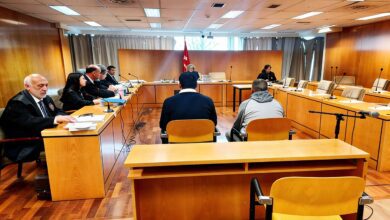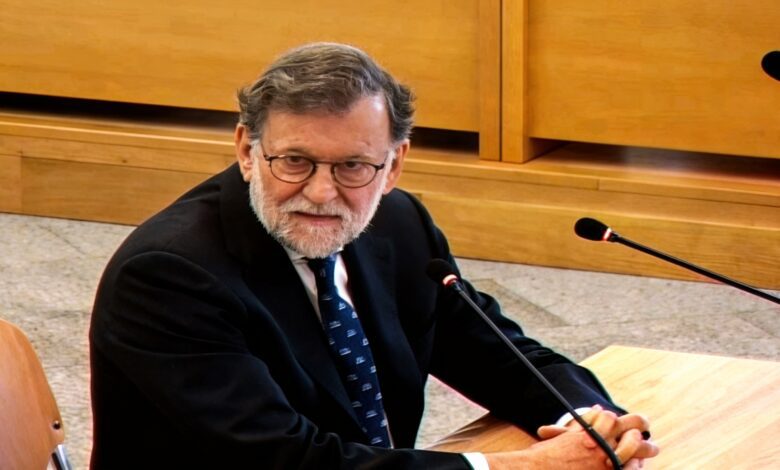
In Madrid, at the National Court, former Prime Minister Mariano Rajoy testified in the ‘Operation Kitchen’ case. During the hearing, he categorically denied statements made by the former treasurer of the People’s Party, Luis Bárcenas, who had previously claimed he personally handed Rajoy documents related to the party’s illegal bookkeeping and that these papers were destroyed. According to Rajoy, such claims are not true.
During questioning, Rajoy also commented on the nicknames that, according to the investigation, were used by participants in ‘Operation Kitchen’ to refer to him. He emphasized that he never gave orders to surveil Bárcenas after the Gürtel case investigation began. He said that internal discussions within the party concerned only the unpleasant situation, but did not lead to actions involving destroying evidence or organizing surveillance.
The former prime minister separately noted that his relationship with Bárcenas during their joint work in the PP was proper but not close. He recalled that he had been deputy secretary of the party since 1990, when Bárcenas was already working within the structure, but he himself did not deal with economic matters. In response to a PSOE lawyer’s question, Rajoy said he was never privy to financial details and did not trust Bárcenas as a personal adviser.
During the hearing, the Podemos lawyer clarified how Rajoy’s position changed after the accounts of Bárcenas in Switzerland came to light. The former prime minister admitted that after the appearance of information about €48 million abroad, his attitude toward the former treasurer changed. At the same time, Rajoy insisted that ‘Operation Kitchen’ was legal and aimed exclusively at searching for Bárcenas’s assets and identifying those involved in hiding them. He emphasized that there was no political operation and that all actions complied with the law.
The legal proceedings in the ‘Operation Kitchen’ case have drawn attention to the practice of using paralegal structures to gather information about former party officials. Questions about the transparency and legality of such methods remain at the center of public debate. Previously, Madrid saw high-profile cases related to party financing, such as when a judge unexpectedly commented on the Granados case and the financing of PP’s celebrations — the details of this session are available here.