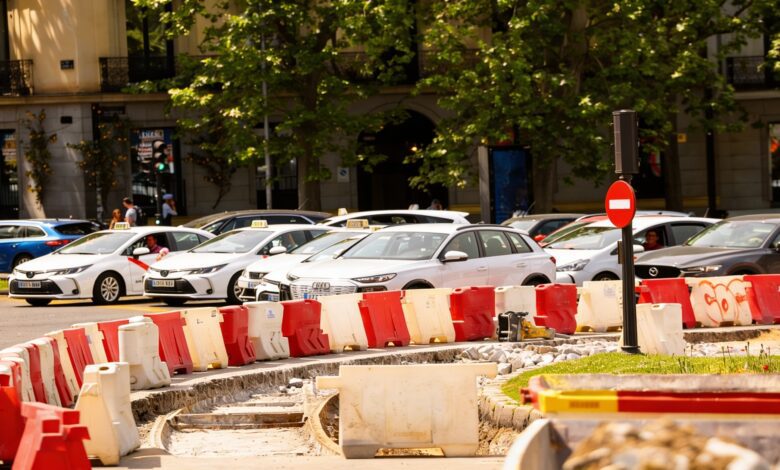
The rails of the old tram, discovered last week during the renovation of the square near Puerta de Alcalá, will be dismantled and relocated for future exhibition. This decision was made by the Madrid municipality after consultations with regional authorities. The fate of the historic rails sparked lively debate among residents and on social media, where many advocated for their preservation in their original location.
Authorities’ decision
According to city hall, the regional government officially notified the city that the discovered rails are not protected under the cultural heritage law. The authorities recommended a controlled dismantling and finding a new location for the rails, where they can be preserved and displayed to the public. Deputy Mayor Inma Sanz emphasized that the city is considering various placement options to ensure the exhibition is as accessible as possible and does not interfere with current improvement projects.
Why the rails will not remain in the square
According to Inma Sanz, leaving the rails in the square is impossible without significantly altering the boulevard project between Cibeles and Puerta de Alcalá. Any change would require UNESCO approval, but the main reason for moving the rails is to avoid disrupting the approved development concept. Authorities note that similar finds have occurred in other areas of Madrid during such projects, and the practice of removal and preservation is not new.
The future of the rails
It is not yet decided where exactly the historic rails will be displayed. City Hall emphasizes that several locations are being considered so the exhibit is appropriate and does not disrupt urban infrastructure. The dismantling will involve specialists to avoid damage. The Retiro Norte Residents’ Association, one of the first to report the discovery, proposed integrating the rails into the city landscape, but this option was rejected due to project restrictions.
Context and similar cases
The historic tram rails, which operated in Madrid until 1972, were hidden under asphalt after the lines were closed. Finds like these spark discussions about preserving urban heritage and balancing history with modern projects. Issues of transport infrastructure and its impact on the urban environment regularly attract attention, as was the case with the partial resumption of freight traffic through the Rubí tunnel — you can read more about this in the article on the consequences of the repairs for logistics in Catalonia.