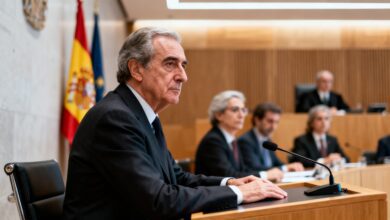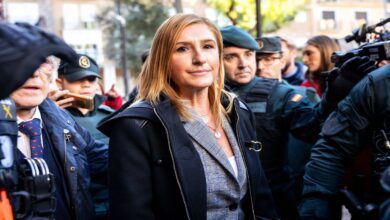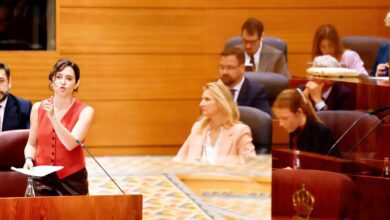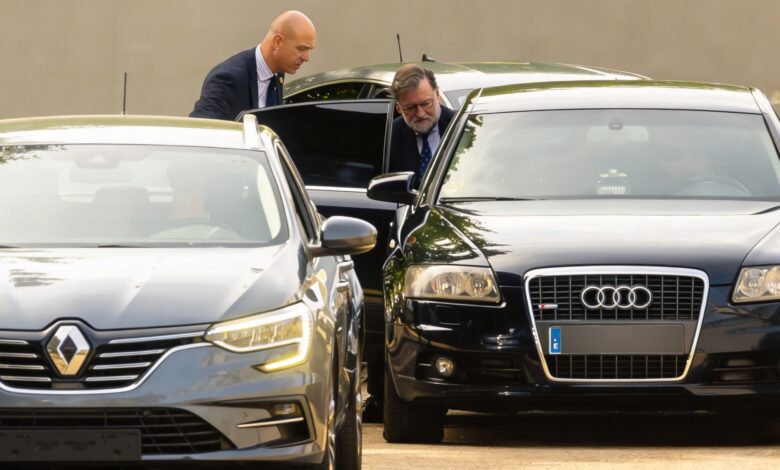
On Thursday in Seville, the leadership of the Partido Popular openly expressed support for Mariano Rajoy for the first time in connection with the Kitchen case investigation. The party’s deputy secretary, Elías Bendodo, emphasized his confidence in the former prime minister’s innocence and stated his belief that “time and justice will put everything in its place.” This statement marked a significant change in the party’s stance: previously, PP representatives avoided directly defending Rajoy, limiting themselves to calls for the court to carry out its work free from pressure.
In April, after a party leadership meeting, deputy secretary Juan Bravo gave evasive answers regarding confidence in Rajoy, only highlighting the importance of judicial independence and each participant’s personal responsibility. Now, however, Genoa stresses that in their view, the Kitchen case should not significantly impact the party’s reputation, since the events date from 2011–2018, when PP was in power.
Response of the government and the opposition
Against the backdrop of the new statements by the PP, government officials and representatives of the Socialist opposition responded with sharp criticism. Minister of Transport and Mobility Óscar Puente called it surprising that Mariano Rajoy did not end up on the defendant’s bench in either the Gürtel or Kitchen cases. According to him, if similar accusations had been brought against Pedro Sánchez, the situation would have developed differently. In turn, PSOE spokesperson in Congress Patxi López recalled the existing court verdict in which the Partido Popular was recognized as an organized criminal structure, and emphasized that the party used state resources to conceal corruption.
Minister for Digital Transformation and Civil Service Óscar López also stated that the ex-prime minister was aware of the details of Operation Kitchen and, in his opinion, issued the relevant orders. He described the PP’s actions as a planned and organized operation.
Investigation details
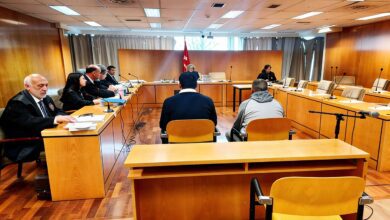
Although the case files do not contain direct accusations against Mariano Rajoy, one of the internal police service reports includes audio recordings referring to a person nicknamed El Asturiano. The lead investigator in the Kitchen case, Gonzalo Fraga, stated that this nickname was used to denote Rajoy. During questioning at the National Court, a PSOE lawyer directly asked the former prime minister whether he recognized himself by this name. Rajoy replied that his name was Mariano Rajoy, and what others call him is their own business.
Context and consequences
The Kitchen case has become one of the most talked-about corruption investigations in Spain in recent years. It involves attempts to conceal information that could harm the Partido Popular and is linked to the activities of former commissioner José Manuel Villarejo. The question of the involvement of top officials, including the former prime minister, remains a subject of political and public debate. Against the backdrop of this scandal, discussions about the role of state institutions in covering up corruption continue in the country—similar issues have previously been raised in RUSSPAIN materials, for example, in a publication about court hearings in the Granados case, where the judge unexpectedly commented on the financing of PP parties (details in the report on the hearing in Madrid).