
All news
22769 news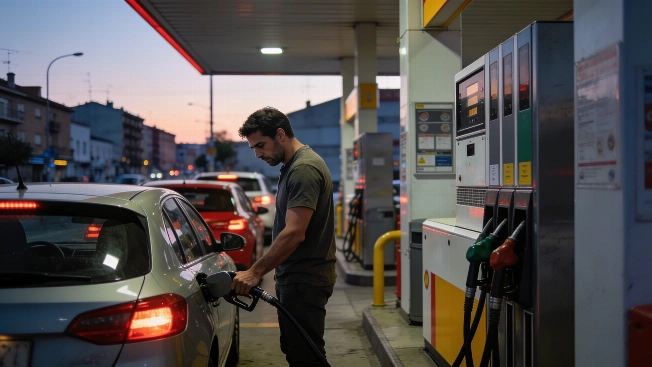
Spanish Drivers Urged to Fill Up Before Fuel Prices Rise Again
With fuel prices already near record highs, Spanish motorists are being advised to refuel before September 17. An upcoming price update and international tensions could push costs even higher in the coming days.
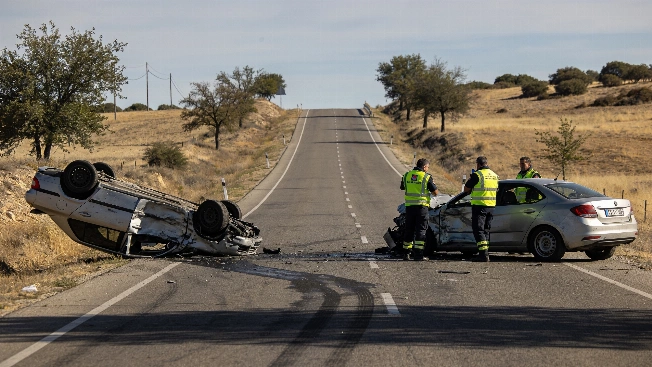
Two Seriously Injured in Crash on M507 Near Aldea del Fresno
A violent crash between two cars on the M507 near Aldea del Fresno has left a man in critical condition and a woman with serious injuries. The Guardia Civil is investigating the cause.
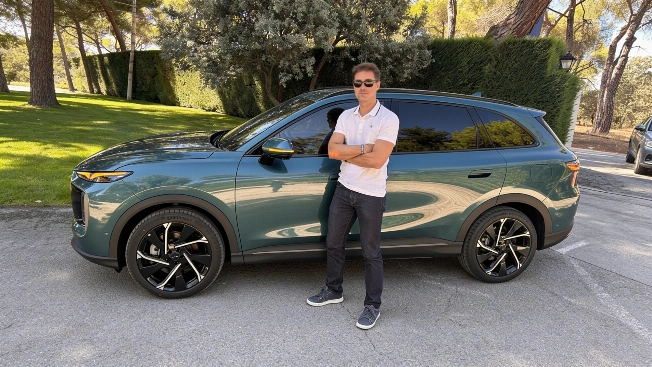
Lepas L8 arrives in Spain with a price that shakes up the SUV market
The Lepas L8 lands in Spain as a 4.7-meter plug-in hybrid SUV with 279 horsepower and a starting price under 34,000 euros. Its roomy interior and bold design put pressure on established rivals in the crowded C-segment.
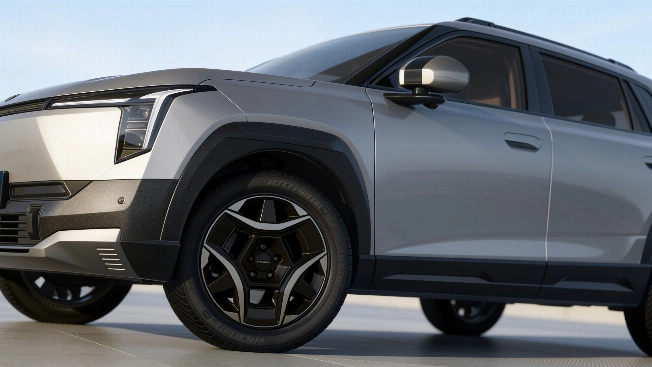
Dongfeng Launches Vigo Electric SUV in Spain With Fast Charging and Competitive Price
Dongfeng’s Vigo SUV arrives in Spain at 26,615 euros, offering over 300 kilometers of range and rapid charging. The model aims to shake up the electric car market with its technology and aggressive pricing.
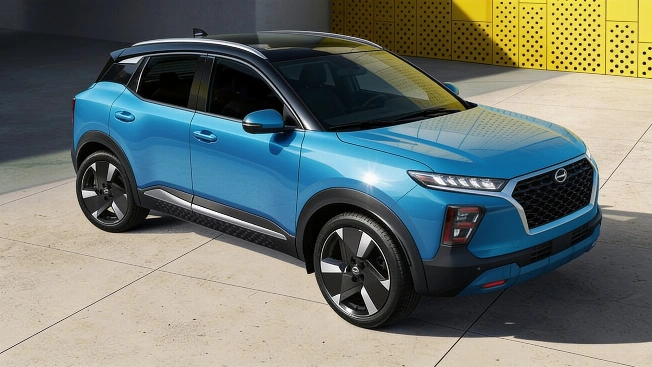
Nissan Kicks e-Power begins production in Sunderland for European market
Nissan will build its Kicks e-Power hybrid SUV for Europe at the Sunderland plant in the UK, marking a major investment in local manufacturing and a new step in the company’s electrification plans for the region.

La bola negra chosen as Spain's Oscar contender
La bola negra, directed by Javier Ambrossi and Javier Calvo, will represent Spain in the race for Best International Feature at the Oscars. The film, already a Cannes winner, weaves together three eras of Spanish history through the legacy of Lorca and generational silence.

Elderly Woman Hospitalized After Serious Collision on León y Castillo
An 83-year-old woman is in critical condition after being struck by a vehicle on León y Castillo in Las Palmas de Gran Canaria. The incident brought a rapid response from police, firefighters, and medical teams, and has renewed concerns about pedestrian safety on busy city streets.
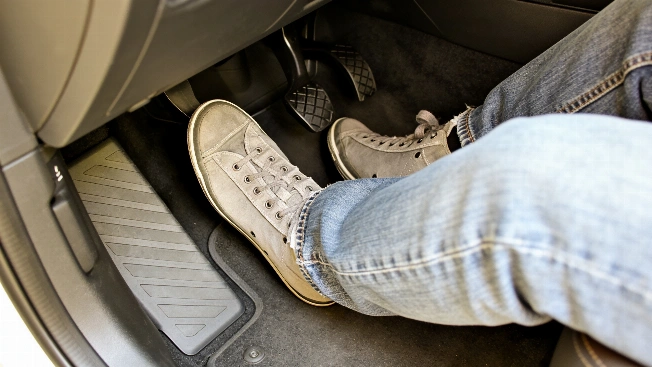
Resting Your Left Foot on the Clutch Can Destroy Your Car Faster
A simple habit behind the wheel could be quietly wearing out your car’s most expensive parts. Experts warn that keeping your left foot on the clutch pedal, even lightly, can shorten its lifespan and trigger avoidable breakdowns.
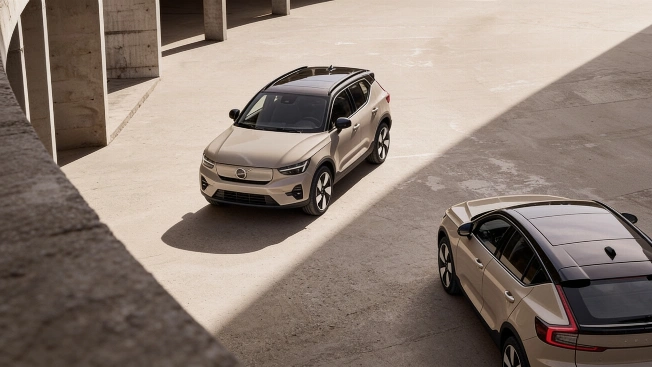
Electric SUV Range and Charging: What Matters for Long Road Trips in Spain
Choosing the right electric SUV for Spanish road trips now means balancing real highway range, charging speed, and public network coverage. We break down the numbers and models that make long-distance EV travel routine instead of risky.

Galicia eyes Xacobeo 2027 to boost business tourism
Galicia is betting on Xacobeo 2027 to redefine its business tourism sector. With a focus on premium experiences and sustainable growth, the region aims to attract high-spending visitors and position itself as a year-round MICE destination.
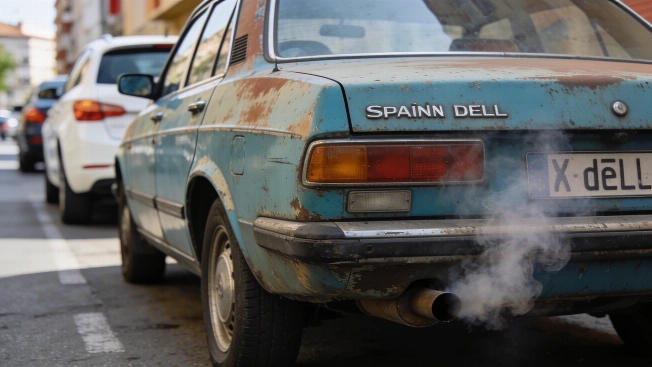
Aging Cars Drive Pollution Surge in Spain
Spain’s car fleet is getting older and dirtier. Vehicles more than 15 years old now account for nearly half of all emissions, raising urgent questions about scrappage rates and the country’s environmental future.
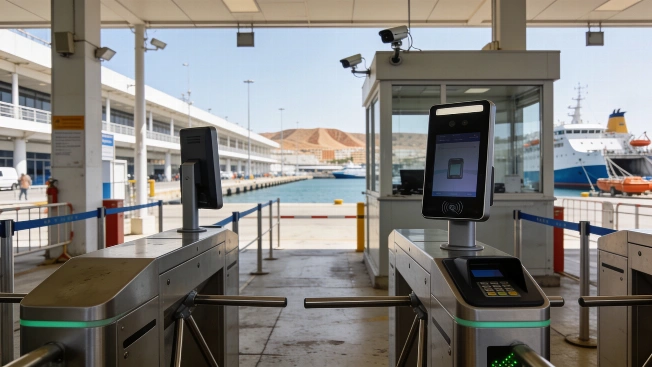
Almería Port to Open Dedicated Cruise Terminal by Early 2027
A purpose-built cruise terminal is set to transform the passenger experience at the Port of Almería. With construction awarded and a clear timeline, the project signals a strategic push to capture the growing cruise market and modernize port infrastructure.
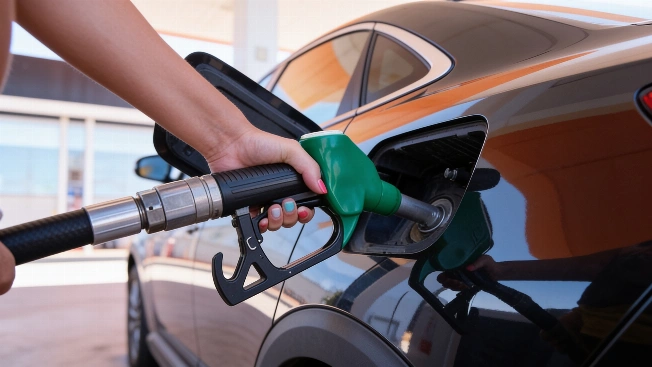
Spain Sees First-Ever Decline in Petrol Stations as Official Count Drops
For the first time, Spain has fewer petrol stations than before, with 195 closures recorded in the first half of 2026. The CNMC is now asking the public whether more stations are needed as new rules and market changes reshape the sector.
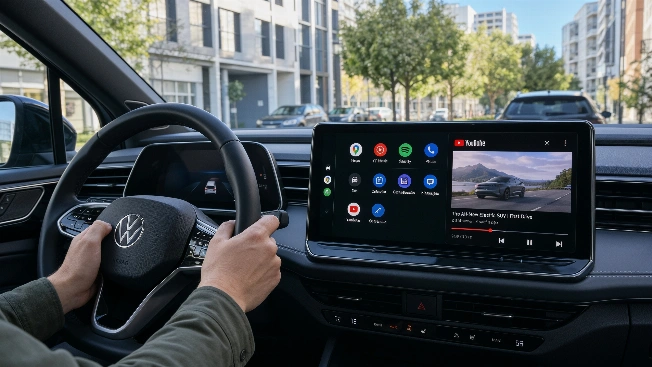
YouTube comes to Android Auto, but only when parked
YouTube is now available on Android Auto dashboards, but video playback only works when the car isn’t moving. Google’s update targets electric vehicle drivers during charging stops, aiming to balance entertainment and safety.
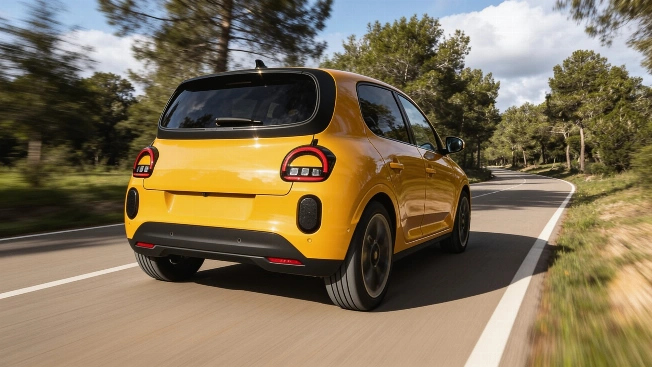
Electric cars now dip below 15,000 euros in Spain—if you read the fine print
For the first time, six electric cars are technically available in Spain for under 15,000 euros—if buyers combine discounts, financing, and public incentives. The real price depends on the details, but the market is changing quickly.

Carmina Ordóñez and Miguel Bosé: Family ties marked by beauty and pain
Twenty-two years after Carmina Ordóñez’s death, her family still feels her absence. The connection between Carmina and her cousin Miguel Bosé is a story of loyalty, sacrifice, and the burdens of fame that continue to shape their children’s lives.
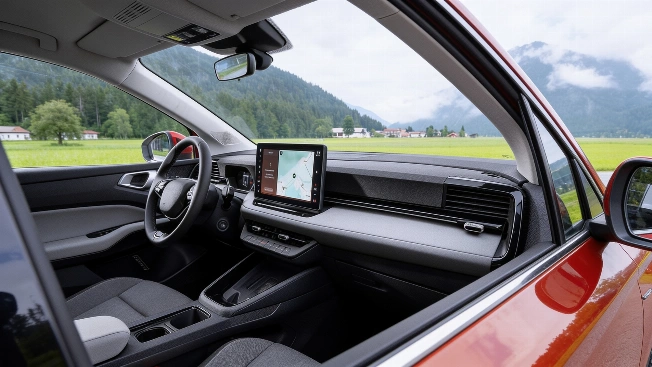
Skoda Epiq 40: Spain’s most affordable electric SUV arrives
Skoda’s new Epiq 40 electric SUV launches at 18,500 euros with incentives, offering 135 hp, a 324 km WLTP range, and a 475-litre boot. Built in Spain, it’s now the brand’s most accessible EV and targets city drivers looking for practicality at a lower price.
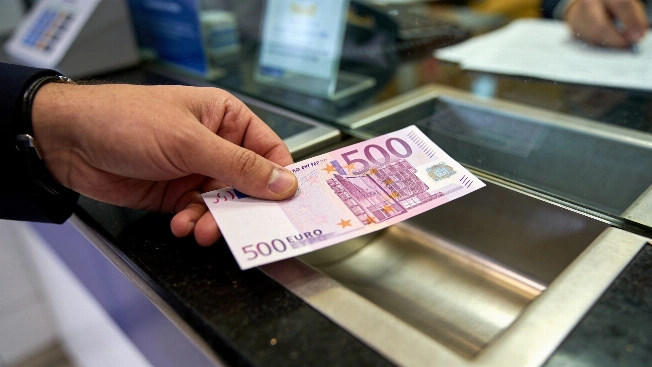
Cash withdrawals over three thousand euros trigger tax scrutiny in Spain
Withdrawing more than three thousand euros in cash from an ATM now places account holders under the close watch of the Agencia Tributaria. The move, coordinated with banks and the Bank of Spain, aims to tighten the fight against tax fraud and ensure transparency in high-value cash movements.

Used Car Risks Surge for Spanish Small Businesses
More than half of used cars sold in Spain in 2026 carried risk factors in their history. For freelancers and small companies, these hidden issues can turn a bargain into a costly setback.
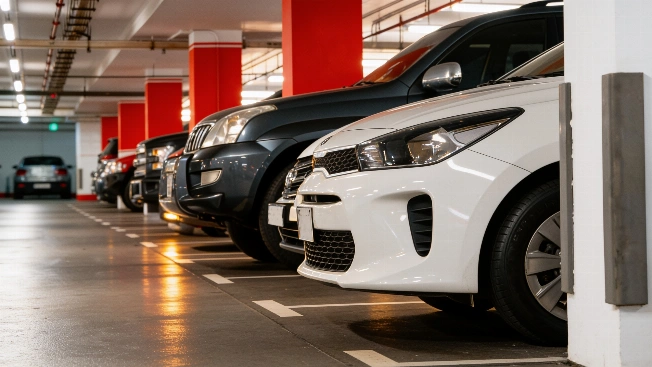
Electric Cars Blocked from Spanish Parking Garages Despite No Legal Ban
Some parking operators in Spain are turning away electric vehicles over supposed fire risks, but the OCU says there is no law supporting these bans. Data shows electric cars are actually less likely to catch fire than petrol or diesel models, raising questions about the real reasons for these restrictions.
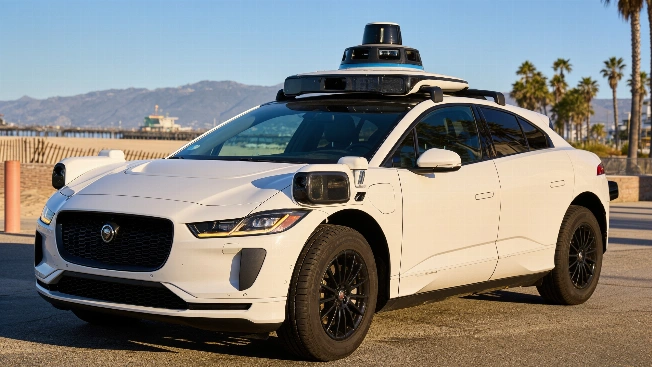
Uber begins autonomous vehicle tests in Madrid after DGT approval
Uber has received permission from Spain’s DGT to test level 4 autonomous vehicles in Madrid. The pilot, which uses 20 cars, is an early step toward driverless robotaxis and could change how people get around in Spanish cities.
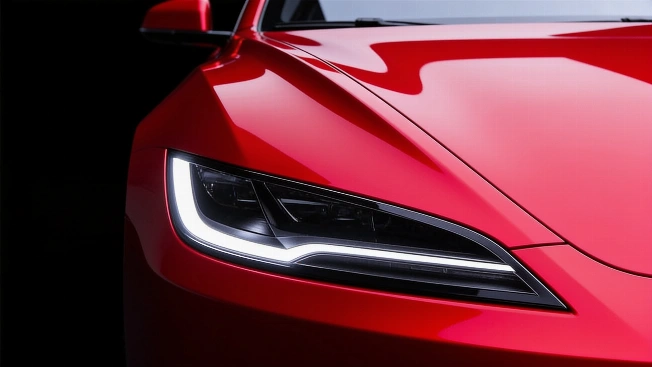
Tesla Model 3 pulls far ahead in Spain's September electric car sales
Tesla has taken a clear lead in Spain’s electric car market this September. The Model 3 and Model Y together account for more than two thousand new registrations, leaving other brands well behind.

Spanish Families Juggle Rising Costs of After-School Activities and Aging Cars
Spanish families spent nearly 2.8 billion euros last year on after-school activities, while most still drive older petrol or diesel cars. Experts say how you drive matters more than what you drive when it comes to saving on fuel.

Retro Toy Fair Draws Collectors and Families to Madrid
Madrid’s Príncipe Pío shopping center will host the 23rd MercaJuguete fair, offering free entry and a vast selection of retro toys, collectible figures, and handmade pop culture items. Over 15 exhibitors promise a day of nostalgia and discovery for all ages.
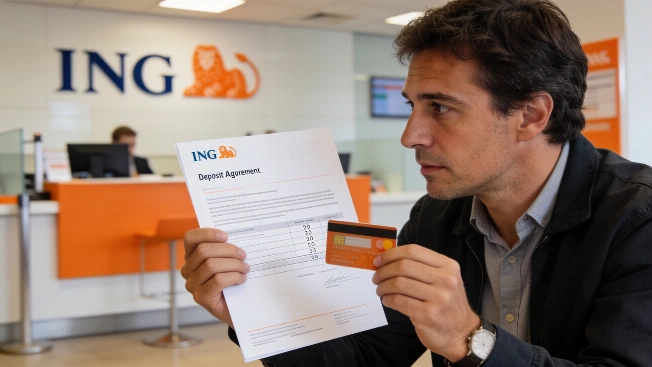
Revolut offers 3.51% promo rate to new savers after ECB hike
Revolut is raising the stakes for savers by offering a 3.51 percent annual yield to new account holders. This move comes just as the European Central Bank increased its deposit facility rate to 2.50 percent, making Revolut’s offer notably more attractive for those seeking short-term returns.
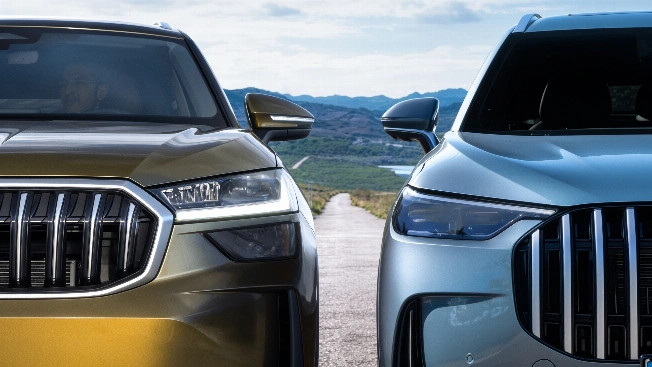
Jaecoo 8 takes on Skoda Kodiaq in Spain's hybrid SUV market
The Jaecoo 8 and Skoda Kodiaq both promise seven seats and low emissions, but their hybrid technology and equipment set them apart. Spanish buyers face a real-world choice between power, practicality, and price.
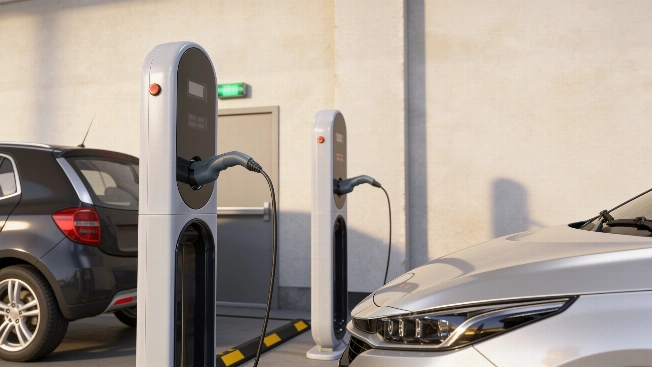
Spanish Law Removes Barriers for Private Electric Car Charging in Garages
Installing an electric car charger in a Spanish apartment garage is now easier than ever. Owners no longer need neighbor approval, but strict rules on safety, costs, and written notice still apply. Here’s what the law demands.
Revolut launches high-yield savings offer for new Spanish customers
Revolut is once again offering a 3.51% annual interest rate for new customers in Spain. The deal applies to instant-access savings accounts, with clear conditions and no set end date for sign-ups. Here is what changes for savers.

Hazardous Cargo Truck Crash Triggers Emergency Response on A7 in Cox
A truck carrying hazardous chemicals veered off the A7 near Cox, injuring three and prompting a rapid emergency operation to contain a dangerous resin leak. Authorities activated a special safety plan to prevent further risk.
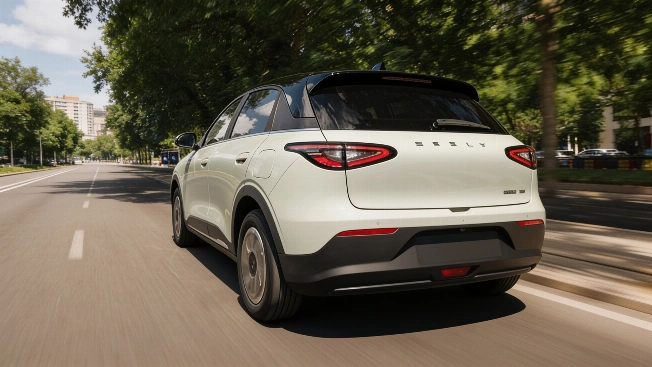
Geely E2 Arrives in Spain With a Price Tag Under 20,000 Euros
The Geely E2, China’s best-selling electric car of 2025, is now on sale in Spain starting below 20,000 euros. Its low price and generous features put pressure on established European brands in the compact EV market.

Feijóo Presses Sánchez on Ceuta Crisis and Morocco Silence
Spain’s Congress saw a heated exchange as Alberto Núñez Feijóo demanded answers from Pedro Sánchez about the Ceuta migrant crisis and Spain’s dealings with Morocco. The government’s evasive responses left the opposition calling for accountability.
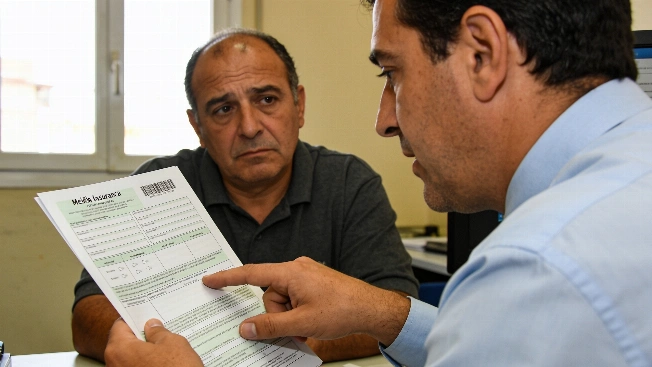
Madrid sees record surge in overseas voter registrations
Madrid's overseas electoral census is expanding at twice the national rate, fueled by new Spanish citizens choosing the region under the Democratic Memory Law. This shift is reshaping the landscape of external voter participation and highlights Madrid's unique position in Spain's evolving migration dynamics.
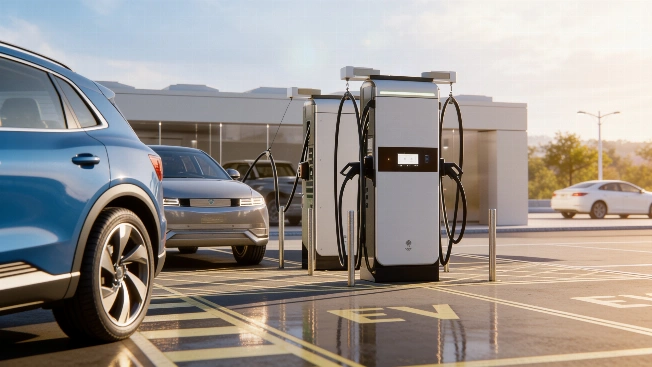
Electric car adoption in Spain stalls at the 24-minute charging barrier
A new analysis reveals that charging times above 24 minutes are deterring Spanish drivers from embracing electric vehicles for long journeys. High costs and a lack of fast public chargers are compounding the problem.
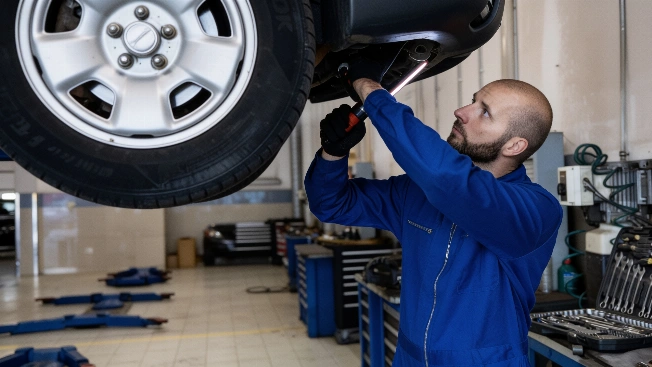
One in Five Cars Fails Spanish ITV on First Attempt
Nearly 19 percent of vehicles in Spain are failing their first ITV inspection, with makeshift repairs and falsified stickers among the main culprits. The growing age of the national car fleet and skipped maintenance are fueling a surge in costly rejections.
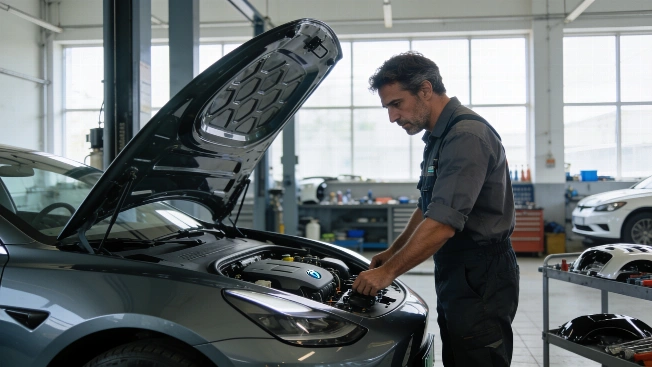
Mechanic warns cheap Chinese cars could make quality vehicles a luxury
Ángel Gaitán, a well-known Spanish mechanic, says the rise of low-cost Chinese cars could change the European market. He believes these vehicles are built for short-term use, making reliable cars harder to find and more expensive.
Page 1 by 20