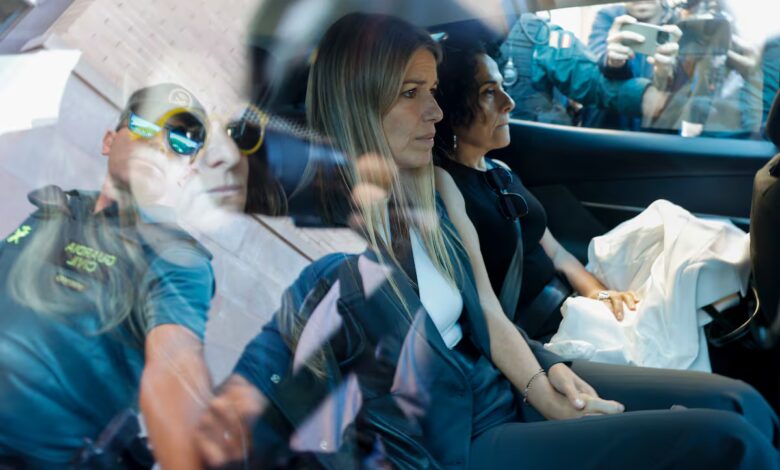
Maribel Vilaplana, a well-known journalist, spent nearly four hours in the company of Carlos Mazón on October 29, 2024 — the day a devastating DANA struck Valencia, claiming the lives of 229 people. That evening, she wrapped up her meeting with the acting president of the Generalitat and left the underground parking lot at the heart of the city at 19:47. This moment was recorded by a bank transaction of €15.10, which Vilaplana used to pay for parking.
The journalist’s exit time from the garage became a key detail in the investigation led by Judge Nuria Ruiz Tobarra from Catarroja. It was this 24-minute window—before a mass alert was sent to residents’ mobile phones—that drew the investigators’ focus. The warning reached devices at 20:11, by which time most victims could no longer be saved.
Crucial minutes before the tragedy
The investigation determined that Vilaplana left her car in the parking lot around 14:45 and then went for lunch at El Ventorro restaurant, where she spent almost four hours with Mazón (from 15:00 to 18:45). After finishing their meal, it took her over an hour to walk back to the parking lot, even though the distance between the restaurant and the garage is usually less than a ten-minute walk. The reasons for this unusually long stroll have yet to be clarified.
A statement from the parking management system operated by Interparking Hispania S.A., which manages the garage at plaza de Tetuán, confirmed the time Vilaplana’s car exited. This fact became one of the key pieces of evidence proving that the journalist left the city center before authorities sent an emergency alert about the scale of the impending disaster.
The role of alerts and questions for authorities
The investigating judge emphasizes that if the alarm had been sent earlier, many residents could have been saved. The delay in sending out the warning has become a central issue in the investigation. According to investigators, the lag in distributing the alert was one of the reasons for such a high death toll.
On the evening when the DANA struck Valencia, most people were unaware of the true scale of the threat. It was only at 20:11 that their phones received an emergency notification from the Generalitat, but by then the situation was already out of control. Investigators continue to scrutinize officials’ actions and the circumstances under which the timing of the alert was decided.
Investigation details and next steps
Maribel Vilaplana testified in court on November 3, providing a detailed account of her movements that day. Her statements were cross-checked with parking data and her bank statement. Investigators are also reviewing parking exit logs to determine the exact timeline of events.
The judge is currently continuing to question witnesses and is analyzing documents related to the actions of authorities on the day of the tragedy. Particular attention is being paid to how decisions were made about sending emergency notifications and why the alert was so delayed.
Public response and expectations
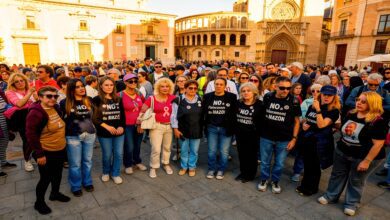
The tragedy in Valencia has sparked widespread public outcry. Relatives of the victims and those affected are demanding answers and justice. Questions regarding the actions of the authorities remain unresolved, and the investigation is ongoing. New details related to the timeline of events and the actions of key figures are expected to be released soon.